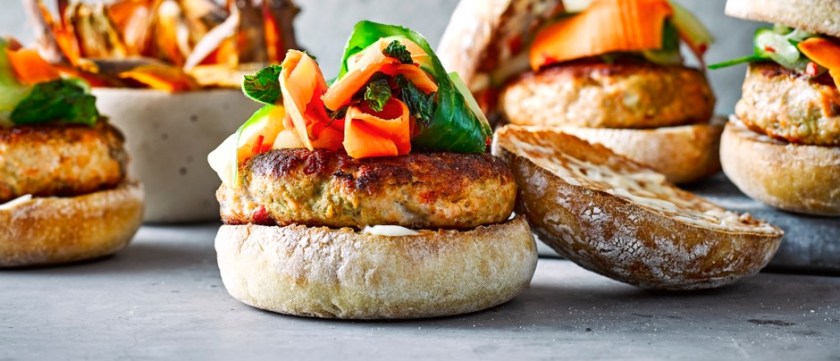
Check out our easy salmon burgers with soft ciabatta buns, crispy sweet potato wedges and a punchy carrot and cucumber slaw. These moreish fishcakes are high in protein and ready in under an hour
Skate is both delicate in flavor and firm in texture. Here’s how to fillet skate wings and prepare them for cooking.
Skate fish
The first time I tried to tackle a whole skate wing, a spike near the edge of the fin jabbed right into the joint on my ring finger above the knuckle. The spike must have hit a nerve because it sent pain shivers down my forearm and left a thin, long bruise, like a streak of charcoal, running down my ring finger.
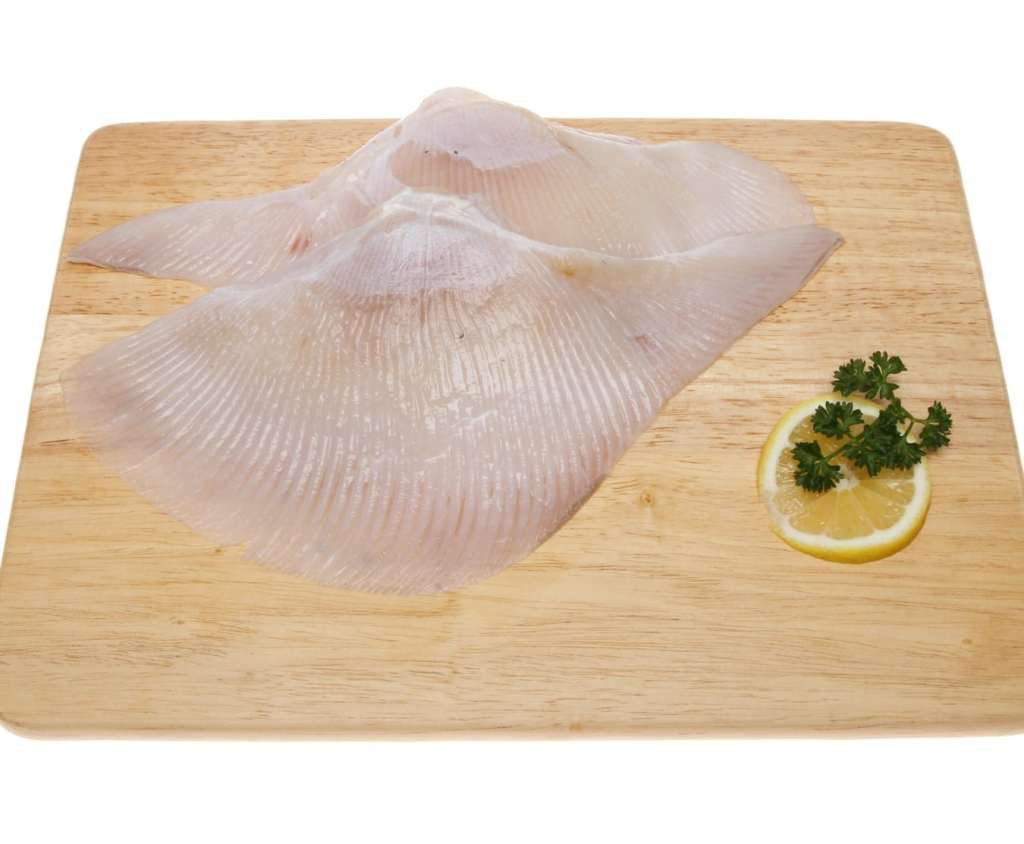
If you’ve only bought skate wings from a fishmonger who’s filleted the flesh for you, then it may not be obvious why the fillets are called “wings” when they resemble any other fish fillet, albeit with deeper grooves in the flesh. The flesh, in fact, is meaty and lean, with a corrugated surface.
But these strange, bottom-dwelling fish—that resemble a cross between a sting ray and a fish—are really sharks with pectoral fins so large they’re referred to as “wings.” This is more apparent if you take home one of its two “wings” without having your fishmonger do anything (like skinning, which gets rid of the spikes protruding from the leathery, shark-like exterior, or filleting, which removes the meat from the cartilaginous bone of the animal).
As sharks, skates have no bones, but rather a skeleton of cartilage that cooks nicely in a soup preparation once the fillets are taken off.
Though it may seem a daunting task to prepare a skate wing on your own, doing so is more a matter of strength and resolve than skill.
How to Fillet the Wing
The best way to remove the skin is to take a pair of pliers and pull the skin clean off the flesh, then lay the skate with its gray (and spiky) side up. Pulling off the skin in this way takes a bit of strength, and if you lack it (or the necessary pair of pliers), the second best option is taking a sharp knife and running the edge along the underside of the skin. The other side of the wing is covered by a white, leathery piece of skin that can be removed in the same way to expose a small, thinner fillet.
How to Cook Skate
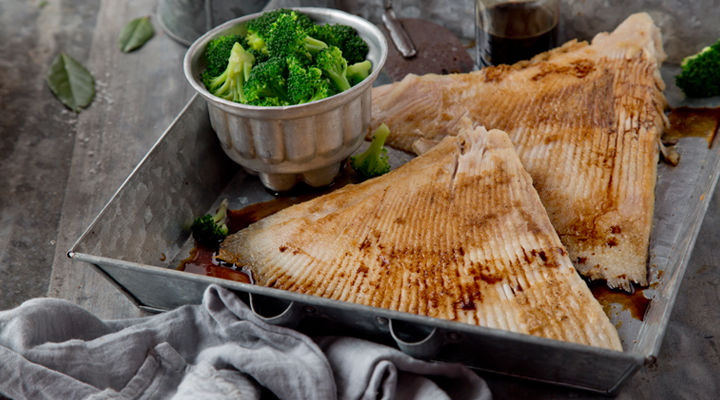
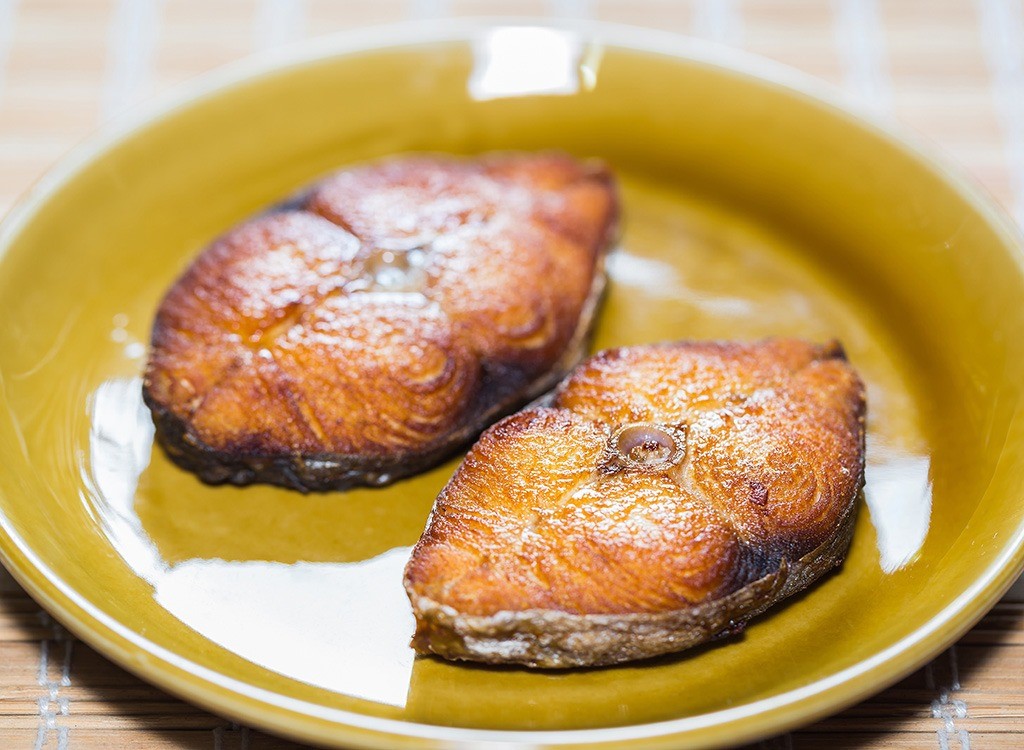
Cooked Skate
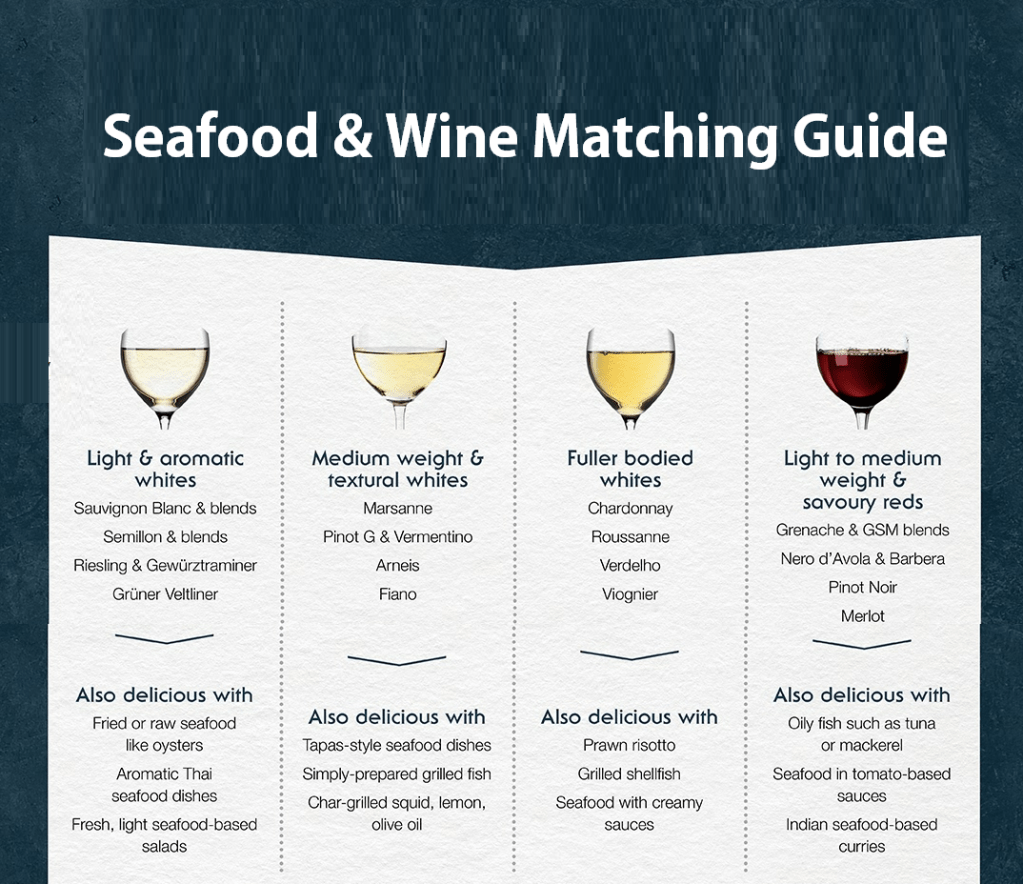
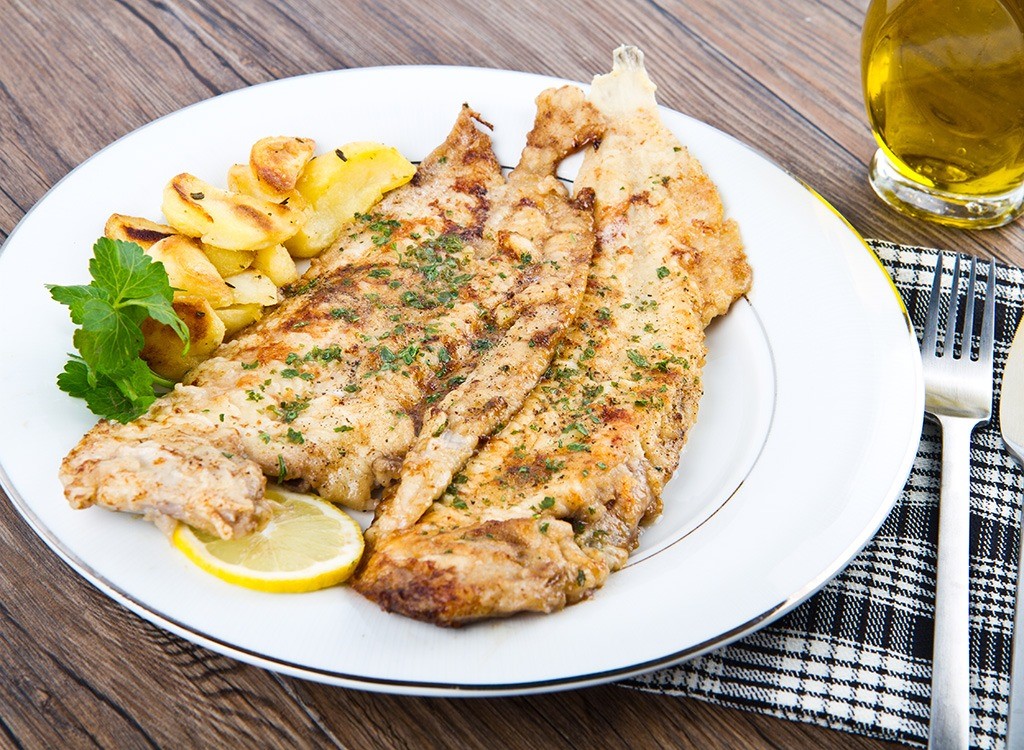
ate wing is often paired with capers because the sourness is a nice foil to the flesh: tender, firm, and delicate without being fragile like flounder. When cooking the fillets of skate wings, it can be served raw or cooked but its bold flavour suits it best with condiments, spices, butter, and lemon juice or capers as well as herbs like thyme and garlic. Serve with a chilled Sauvignon Blanc or an Alsace Riesling for a beautiful pairing.
If you do end up buying a whole skate wing, chop the cartilage into sections to use for a fish soup or stew. The cartilage adds a body to the stock, and what flesh you leave clinging to the bone will be tender and flavorful.
Here in United Kingdom, we are so lucky to have a bounty of top-quality and deliciously fresh seafood to feast on all year round. We’re also blessed to have some of the best wines in the world. And, when the two come together, it’s truly magical.
When it comes to matching seafood and wine, the style of wine you choose to pair with your seafood dish is dictated by its delicacy. From the classic combination of crisp Australian Sparkling with freshly shucked oysters to grilled shellfish with a modern Chardonnay, and the not so classic match of salmon with Pinot Noir, there’s a vast array of wine and seafood-matching opportunities.
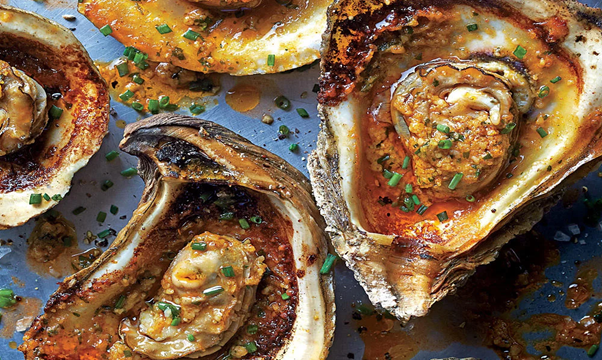
To make an opening statement for any celebration, or simply because, pairing Sparkling wine with freshly-sucked oysters is a winning combination. Semillon is another great choice.
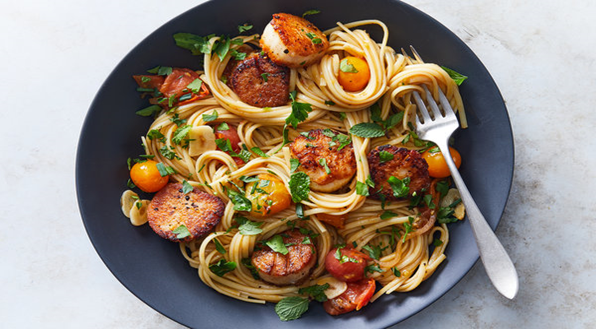
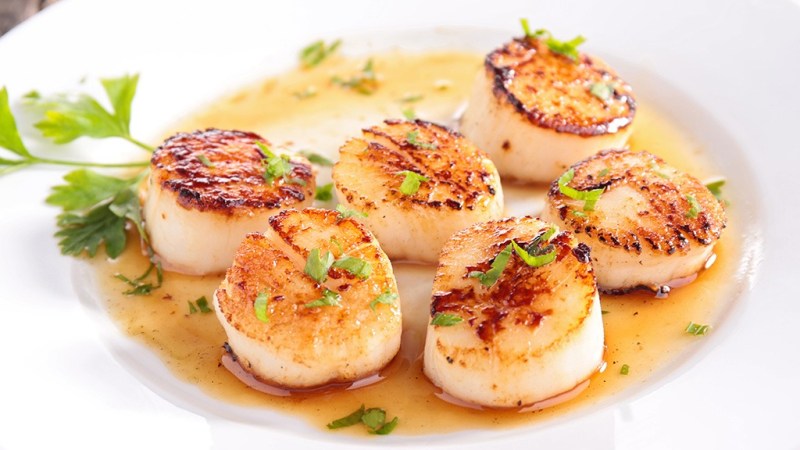
For a beautifully light yet flavoursome seafood entrée, seared scallops served with UK Sparkling is an easy to prepare and impressive starter. Light aromatic white wine including Semillon, Sauvignon Blanc, Semillon and Sauvignon Blanc, or Riesling also make ideal matches.
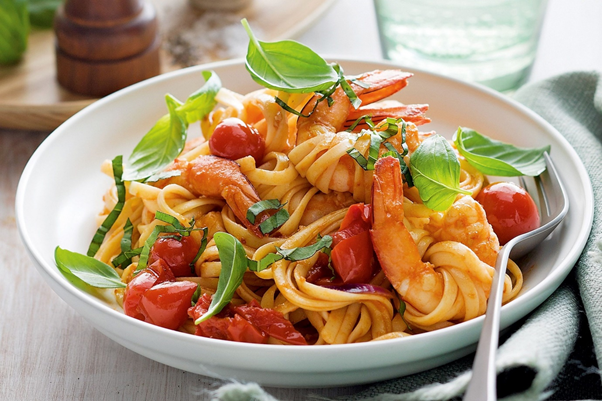
UK’s wonderfully fresh prawns are national heroes to savour any season. Come summer, they’re on just about every restaurant menu and every family plate around the country. Enjoy them fresh and unadorned with Sparkling, Semillon, Sauvignon Blanc, Semillon and Sauvignon Blanc, and Riesling. When combined with Asian flavours, alternative whites, Grüner Veltliner or Gewürztraminer are simply gorgeous, or when combined with sauces and meat flavours, a chilled Rosé can be a great choice.
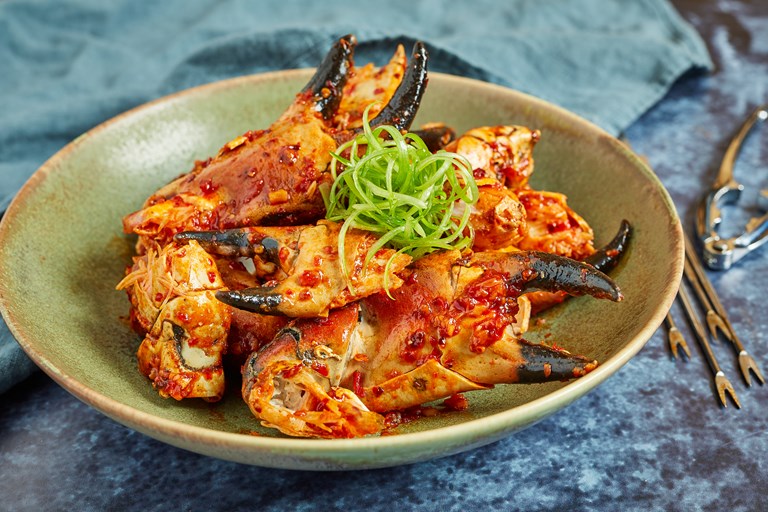
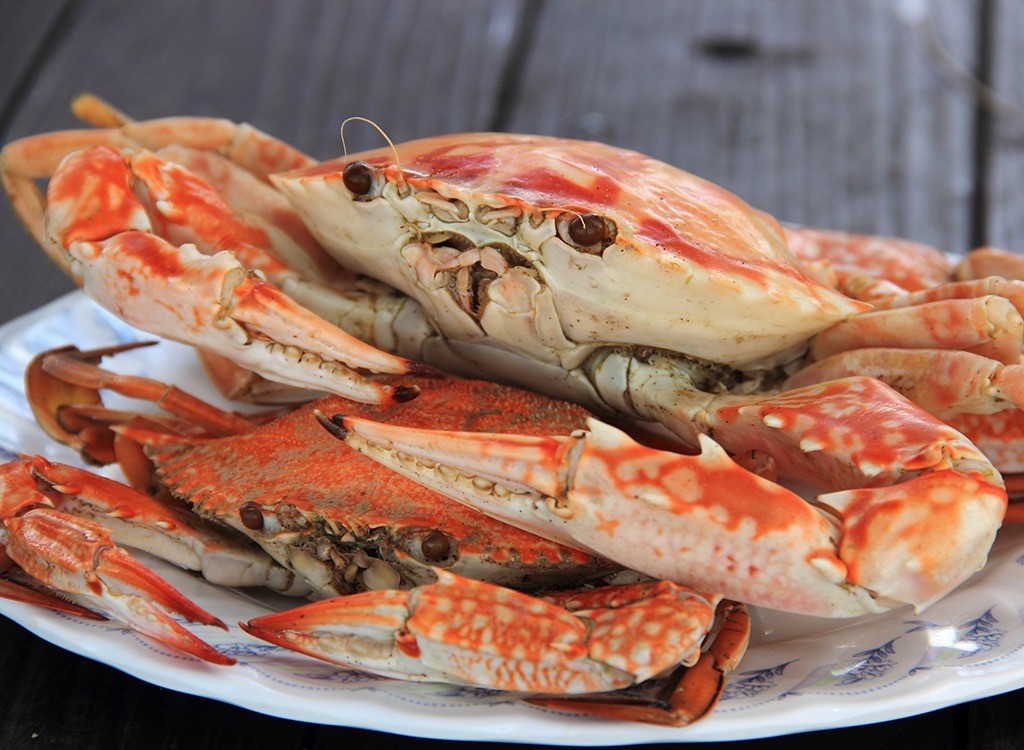
Simple and light crab dishes need a white wine that’s light on the oak with crisp acidity, making medium-weight and textural white wines like Marsanne, Pinot G, Vermentino, Arneis and Fiano mouth-watering choices.
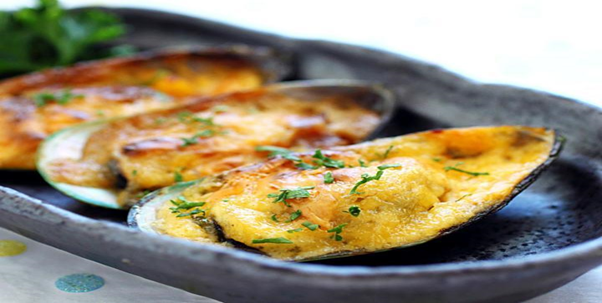
Mussels traditionally call for a white wine, however, the powerful flavours in this Mediterranean dish (particularly the sauce) mean you need a wine with more power. The silky texture and mix off fruit and savoury notes in Grenache Mataro would work brilliantly, while Shiraz Cabernet is another elegant choice to pair with the spice of this dish.
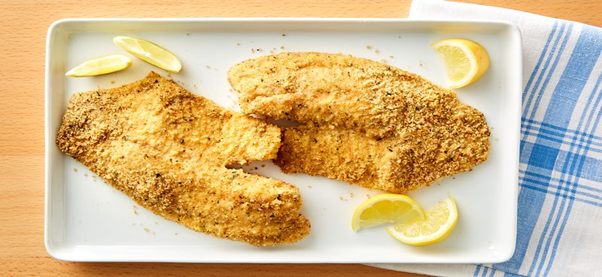
Crishpy Backed fish dishes love the natural acidity of whites like Semillon, Sauvignon Blanc, Riesling and Semillon Sauvignon Blanc blends, while weightier fish simply grilled can take the texture of medium-weight Marsanne, Pinot G, Arneis and Fiano. Vermentino is also a textural variety that displays classic salty or sea spray characters, making it ideal with simply-prepared seafood.
Seafood and Asian herbs, spices and flavours are a match made in heaven, but can sometimes be quite complex when pairing with wine. Light aromatic whites including Grüner Veltliner, Gewürztraminer, Semillon, Sauvignon Blanc, Riesling and Semillon Sauvignon Blanc blends all drink beautifully with Thai and Vietnamese-style flavours. Depending on dominate flavours, Rosé can also work well.
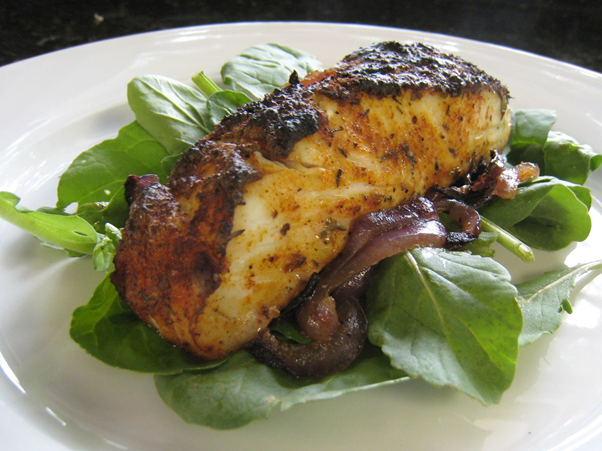
When it comes to spicy seafood dishes likeBaked Spicy Halibut Fillets, a popular choice is a cold beer, however, Semillon and Riesling are natural white wine pairings. Another glorious, but not often considered match is Gewürztraminer – you’ll be very pleasantly surprised.
The Bombay duck or Bombil is a very curiously-named fish, and there are lots of reasons that try to explain it.
Whenever I have to entertain visitors from out of town, the first thing I do is take them to a seafood restaurant, and stuff them silly with Bombil or Bombay duck. Of course you know that Bombil is not actually a duck; it is in fact, a very fleshy fish, and it is found only in the waters around Mumbai. In fact, there is a legend explaining this. The story goes that when Lord Rama was building a bridge to Lanka, he sought the help of all the fish in the sea. All obliged, but for the stubborn little Bombil. In a fit of rage, Rama flung it aside, and it plopped into the seas near Mumbai. This also explained away the softness of its bones.
What’s in a Name?
The Bombay duck is a very curiously-named fish, and there are lots of reasons that try to explain it. Two of them come from Bombay, Meri Jaan: Writings on Mumbai (edited by Naresh Fernandes and Jerry Pinto). From extracts that have been plucked from texts such as the seminal Hobson Jobson: A Glossary of Colloquial Anglo-Indian Words and Phrases, and of Kindred Terms, Etymological, Historical, Geographical and Discursive (Col. Henry Yule and A. C Burnell) and Hanklyn-Janklyn or a Stranger’s Rumble-Tumble: Guide to Some Words, Customs, and Quiddities Indian and Indo-British (Nigel Hankin), we learn that name is an Anglicism from the bazaar cry in Marathi, ‘bomil tak’ – here is Bombil. Another explanation is “the form Bombay Duck has an anology to Digby chicks which are sold in London shops, also a kind of dried fish.”And Farrukh Dhondy, who has written an entire book called Bombay Duck, explains away the name thus. “In fact, it should be spelt as Bombay Dak…when the British introduced the railway system to western India under their Raj, it (Bombil) started going in wagonloads to the interior from Bombay. The crates stank of dried fish…They were marked ‘Bombay Dak’, literally ‘Bombay Mail’. At the time, the railway was run by whites. The English may call a spade a spade, but they don’t call ‘stinking fish’ by that name. They referred to it euphemistically as ‘Bombay Dak’, the Bombay Mail.”
The Bombay Duck and the British
Contrary to popular assumptions, the British took to Bombay duck fairly well. Stink notwithstanding, quite a bit of it was taken to England and enjoyed as well. Maria Graham, a travel writer of the 19th C, wrote, “the bumbelo is like a large sand-eel; it is dried in the sun, and is usually eaten at breakfast with kedgeree” (a British version of khichdi).Of course, they named it all sorts of things – bumbelo, like Ms Graham, bummalow or bobil, even bambulim (as per old Portuguese dictionaries). Bombay, Meri Jaan further tells us that, Bombay duck was a name used by Europeans in other parts of India for their compatriots living in Bombay.
Bombay and the Bombay duck
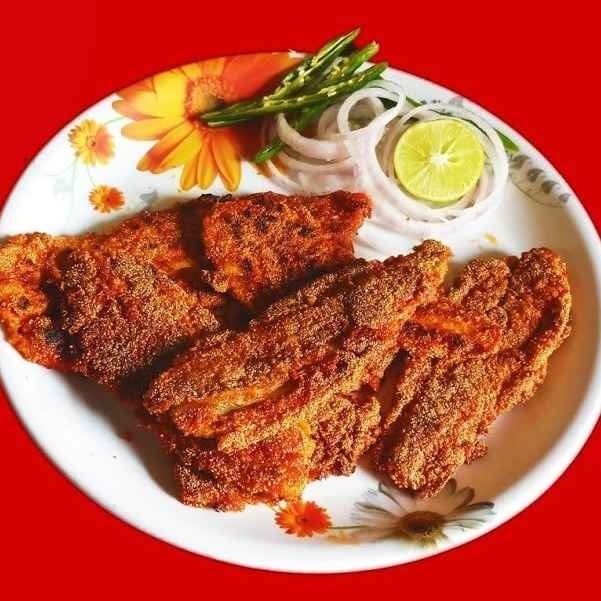
Mumbai has always had a bit of a love affair with the Bombay duck, and it is an especial favourite of the Parsis. Soft, fleshy and portly, we buy it fresh and fry it in rawa until brown and crisp-skinned, while keeping the inside tender and gelatinous. It is quite a delicate fish and falls apart very easily. You can get it cooked this way at places such as Britannia. At home, you would most likely accompany it with sweet-sour gorkeri pickle, although I always eat them by myself.
Dried Bombil (we call it boomla) is insinuated into a sukka boomla no patio or pickle, to be eaten with khichdi or dal chawal. My dad even remembers my grandmother roasting the dried Bombil over a charcoal fire and eating it, just as is. An excellent place to try Bombil is also at the various Malvani restaurants flung across the city: they remove the water in the fish, to help it crisp up even further – so crisp that it shatters in your mouth, almost like wafers. One of my favourite places to eat it like this is at Acharekar’s Malvan Kutta, where it comes in a seafood thali with a rassa, sol kadi, chawal and thick chapatis.
In fact, the Bombil is beloved to many communities, so beloved that we have eaten it nearly to extinction. Overfishing has led to the depletion of many of our favourite seafood species, including prawn, pomfret, and of course Bombil; and one way to prevent this, is to only buy it in the months of April, May, June, July, August, and September, in order to allow it to spawn.A recipe lurks below, but before I yield it I’d like to point out that Bombil (like most food) appears also to be irrevocably bound with caste. According to Shailaja Paik’s Dalit Women’s Education in Modern India: Double Discrimination, “While some elite Dalits found the pungent smell of Bombil nauseating, others experienced a waft of Bombil and Sukat (small dry fish) as particularly appetising. In other words, bombil-bhaakri was a delicacy for lower-class Dalits…”
Khara Boomla (an old Parsi recipe of gravied Bombil)
Bombil 6 large, 8 small, clean Onions 200g Ghee 3 tbsp, approximately Jeera, crushed 1 tsp, heaped Coriander 1 bunch Vinegar 1 1/2 tbsp Salt 2 tbsp + to taste Rice flour to dredge the fish in
Method:Green chillies 1 big
Slather it with 2 tbsp salt and flour and keep aside. Rinse it off, then place a weight on the bombil, and squeeze out the water.
Peel and chop the garlic and onions finely, and fry them in ghee in a flat non-stick pan. Add 1 tsp flour to thicken, vinegar, and 5 tbsp water. Next, add the coriander and chilli. Once it sputters, add in the bombil. Season. The fish cooks really fast, and is extremely delicate, so be careful when turning. Serve with thin rotis.
We’ve said it before, and we’ll say it again: Flashfrozen fish & seafood is the best way to preserve flavor and texture, and is a safer alternative to store-bought “fresh” seafood that you get on ice. (News flash: Those selections in the store were most likely frozen and thawed at one point already.)
But if you have a freezer full of frozen seafood, what’s the best way to thaw and enjoy it?
There’s really only one correct answer to this question: The safest way to defrost your seafood is to put it in the fridge overnight. That way, the seafood stays at a safe temperature at all times, without ever dipping into the bacteria danger zone.
DON’T defrost your seafood by leaving it on the counter. Even at room temperature, you run the risk of bacteria growth and rubbery fish.
DON’T defrost your seafood in a bowl of warm water. Not only does this pose a threat of unsafe bacteria growth on the surface of the seafood, but it can also cause an undesirable change in texture and taste.
DON’T defrost your seafood in the microwave. Ever. Though your microwave may have a defrost setting, the sporadic heat is just not worth the risk. The huge shift in temperature can mess with the texture of your dish, and it may even partially cook thinner pieces while the center remains frozen.
Still have questions? Here are a few common q’s:
“Can I defrost on the same day I cook?”
Forget to defrost in the fridge overnight? There’s still time. Although the night before is a much safer bet, popping your seafood in the refrigerator in the morning is usually enough time to thaw it out in time for a seafood dinner.
“I’m in a pinch — how can I defrost seafood faster than that?”
If you must, place your frozen seafood — still in its packaging or in an airtight plastic baggie — in a big bowl and cover with cold water. Obviously, ice-cold water won’t defrost anything quickly, but the water needs to be colder than room temperature, and you need to continuously change out the water every 20 minutes or so to make sure the temperature doesn’t dip into an unsafe zone.
Reminder: Do NOT use warm or hot water to speed things up — you’ll be shooting yourself in the foot. If the seafood is floating around, use a small bowl or plate on top to hold it down. The goal is to have everything equally submerged so that it defrosts evenly.
Of course, a delicious, properly prepared seafood feast begins with high-quality catches. buy fish onlinenow!
Health experts have long touted the nutritional benefits of fish: These sea creatures rank high on lists of the best sources of heart-healthy omega-3 fatty acids, high-quality protein, metabolism-friendly selenium, energy-boosting Vitamin B12, and inflammation-fighting Vitamin D. But even though eating fish is highly recommended, choosing which best fish to eat can be more difficult than navigating a rowboat in a stormy sea.
When you buy fish, it can be tricky to balance your healthy eating ambitions with your concerns about your heart health and mercury levels—not to mention sustainable fishing practices or ocean health. Omega-3s are essential nutrients that help ward off heart disease, diabetes, and metabolism-slowing inflammation, and they’re primarily found in fish. Unfortunately, another element primarily found in fish is mercury.
Human exposure to mercury is mostly through seafood consumption, and this exposure has been found to cause adverse neurodevelopmental, cardiovascular, and immunological health effects in sufficient doses, according to a report in Journal of Preventive Medicine and Public Health. The FDA considers that the 1,000 parts per billion (ppb) limit provides an adequate margin of safety for adult men and women, and environmental advocacy groups like the Natural Resources Defense Council (NRDC) recommend pregnant women or women planning to become pregnant should avoid eating fish highest in mercury at 500 ppb and over.
To determine the best fish, we compiled a list of popular seafood consumed in the U.S., and we left off endangered species like Atlantic bluefin tuna.
Because essential omega-3s and lean protein are two of the most uniquely valuable nutrients provided by fish, we chose to rank the seafood based on these nutritional benefits over standard methods of calories or fat. We also used nutritional perks like selenium, vitamin B12, and vitamin D to break any ties. Using the USDA Nutrient Database, we calculated the omega-3 (DHA and EPA) and protein content of each raw fish for a standard size of 3 ounces. The rankings also factored in potentially toxic levels of mercury from the Environmental Defense Fund’s Seafood Hg (mercury) Database in ppb as well as the fish’s source—whether wild or farmed using questionable techniques. Read on to find out which fish are keepers and which you should throw back.
Start From the Least Nutritious Fish.
These fish all ranked in the bottom half of the pack regarding their amounts of omega- 3’s, protein, and average mercury levels. High mercury levels (above 800 ppb) sent fish to the bottom of the net, as well as fish that had lower than 100 mg of omega-3s. Translation: Shrimp isn’t super awful for you, but it’s ranked poorly because it doesn’t have a whole lot going on in terms of nutrition, either. And sure, swordfish has a lot of protein, but it’s like drinking mercury. Farmed fish also found a place on the worst list, as they’re typically fed an unnatural diet that may include animal products, soy, and dyes.
Nutrition (per 3 oz serving): 118 calories, 5.4 g fat (1.6 g saturated fat), 50 mg sodium, 0 g carbs, 0 g fiber, 0 g sugar, 16.4 g protein Protein (g per 3 oz): 16.4 Omega-3s (mg per 3 oz): 1,140 Mercury levels (parts per billion): 440
The Spanish Mackerel is essentially the “best of the worst” because what it lacks in the mercury safety department, it (almost) makes up for in omega-3s. With four and half times your minimum recommended daily intake, this fish is sure to help fight heart disease and inflammation. To be safe, the NRDC recommends you limit eating this fish to three servings or less per month.
Nutrition (per 3 oz serving): 156 calories, 9.9 g fat (2 g saturated fat), 43 mg sodium, 0 g carbs, 0 g fiber, 0 g sugar, 15.7 g protein Protein (g per 3 oz): 15.7 Omega-3s (mg per 3 oz): 125 Mercury levels (parts per billion): 186
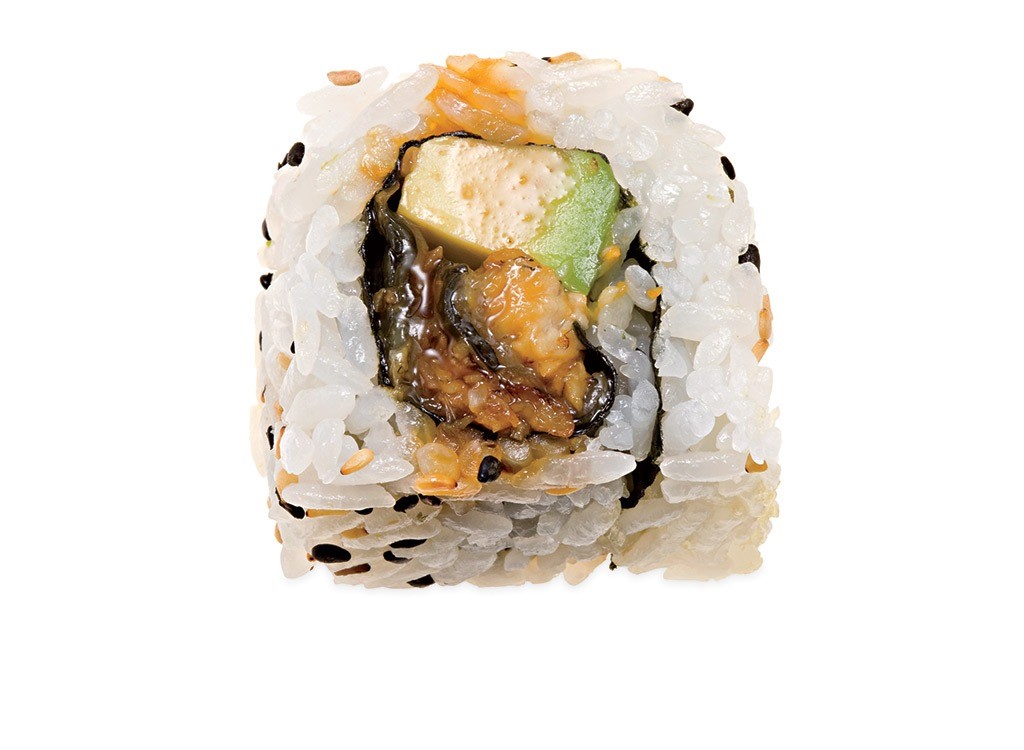
While this might be your favorite roll at sushi restaurants, Japanese freshwater unagi was listed on Japan’s “red list” of endangered species in 2013 after finding a 70 to 90 percent rate of decline over its last three generations. On the other hand, the American eel population remains stable and has not warranted Endangered Species Act (ESA) preservation. So, buy local if you want to reap its protein-rich benefits.
Nutrition (per 3 oz serving): 177 calories, 11.41 g fat (2.6 g saturated fat), 50 mg sodium, 0 g carbs, 0 g fiber, 0 g sugar, 17.4 g protein Protein (g per 3 oz): 17.4 Omega-3s (mg per 3 oz): 1,671 Mercury levels (parts per billion): 26
Those high levels of omega-3s come with a cost: Soy-fed, farm-raised salmon (99 percent of Atlantic salmon is now farm-raised due to overfishing and pollution) is also packed with around 1,900 mg omega-6s, which actually increase the inflammation omega-3s combat. Also: Farmed salmon are usually dyed pink, have been found to be high in PCBs, and have only one-fourth the belly-flattening vitamin D of their wild cousins.
Nutrition (per 3 oz serving): 81 calories, 2.4 g fat (0.6 g saturated fat), 37 mg sodium, 0 g carbs, 0 g fiber, 0 g sugar, 13.9 g protein Protein (g per 3 oz): 13.9 Omega-3s (mg per 3 oz): 309 Mercury levels (parts per billion): 144
They might fulfill your daily minimum omega-3 requirement, but catfish are not that clean. Because catfish are bottom feeders who swim in shallow, muddy river water, they are typically exposed to toxins like man-made polychlorinated biphenyls (PCBs) that have been found to influence cognitive deficiencies in exposed infants as well as affect hormone metabolism in adults.
Nutrition (per 3 oz serving): 60 calories, 1.6 g fat (0.4 g saturated fat), 252 mg sodium, 0 g carbs, 0 g fiber, 0 g sugar, 10.6 g protein Protein (g per 3 oz): 10.6 Omega-3s (mg per 3 oz): 208 Mercury levels (parts per billion): 115
These funny-looking, single-sided flatfish rank low on the omega-3 and protein front, most likely because they’re fairly thin. Since the industrial revolution, world fish stocks of these flatfish has decreased to 10 percent of their original levels, which is a reason to award them a spot on Seafood Watch’s list of seafood that sustainability-minded consumers should avoid.
Nutrition (per 3 oz serving): 73 calories, 0.8 g fat (0.2 g saturated fat), 210 mg sodium, 0 g carbs, 0 g fiber, 0 g sugar, 16.5 g protein Protein (g per 3 oz): 16.5 Omega-3s (mg per 3 oz): 191 Mercury levels (parts per billion): 118
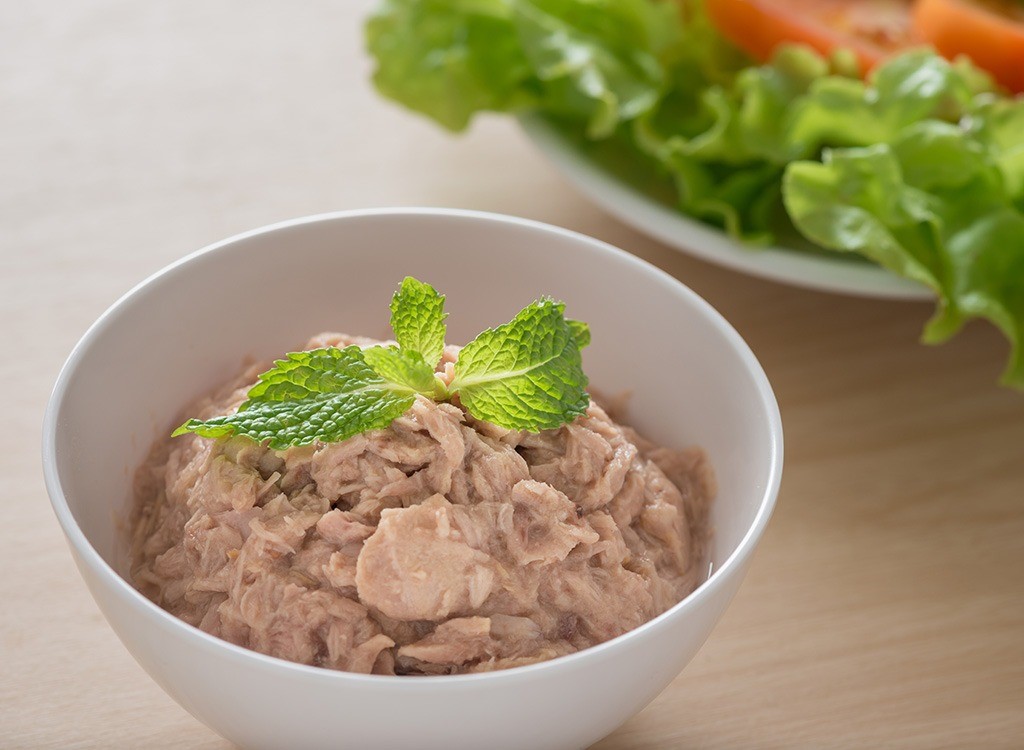
Canned tuna is a pantry staple because it’s a quick, cheap source of protein and rich in vitamins and minerals. It’s also a prime source of one of the two active omega-3 fatty acids: docosahexaenoic acid (DHA). A study in the Journal of Lipid Research showed that omega-3 fatty acid supplementation had the profound ability to turn off abdominal fat genes. DHA, specifically, can be 40 to 70 percent more effective than it’s sister omega-3, EPA, at down regulating fat genes in the abdomen, which can prevent belly fat cells from expanding in size. But what about the mercury? Just make sure it’s light; canned albacore tuna can have almost triple the levels of mercury. Light tuna is a smaller fish than albacore, which is why it’s considered a “low mercury fish” and can–and should!–be enjoyed two to three times a week (or up to 12 ounces), according to the FDA’s most recent guidelines.
Nutrition (per 3 oz serving): 70 calories, 0.6 g fat (0.1 g saturated fat), 125 mg sodium, 0 g carbs, 0 g fiber, 0 g sugar, 15.1 g protein Protein (g per 3 oz): 15.1 Omega-3s (mg per 3 oz): 156 Mercury levels (parts per billion): 70
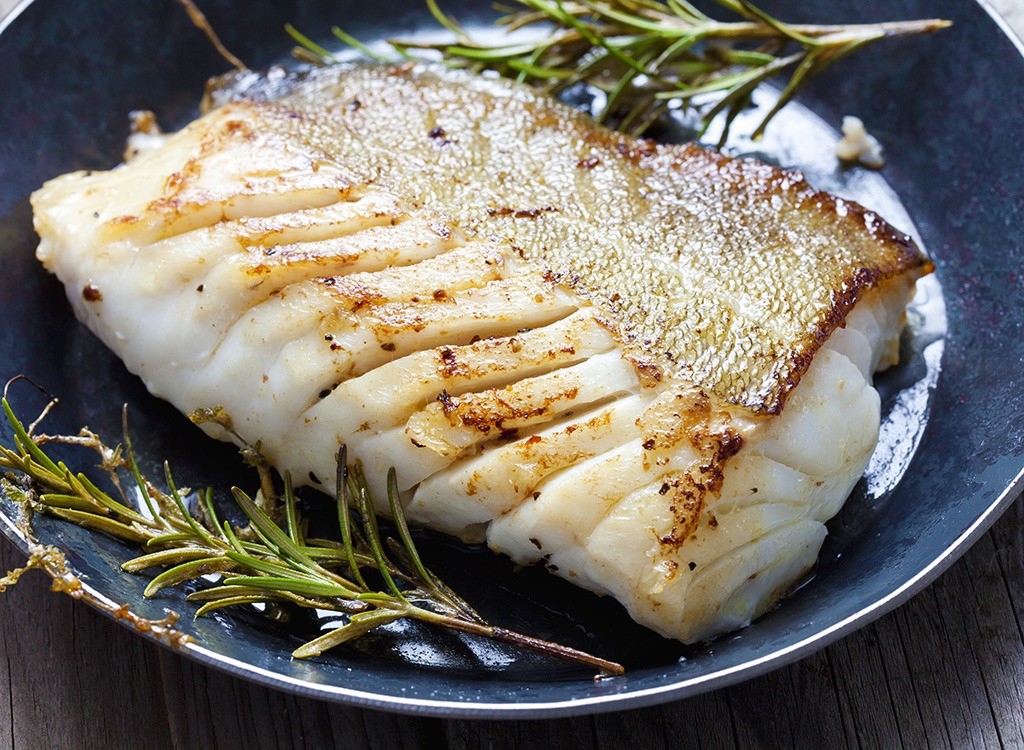
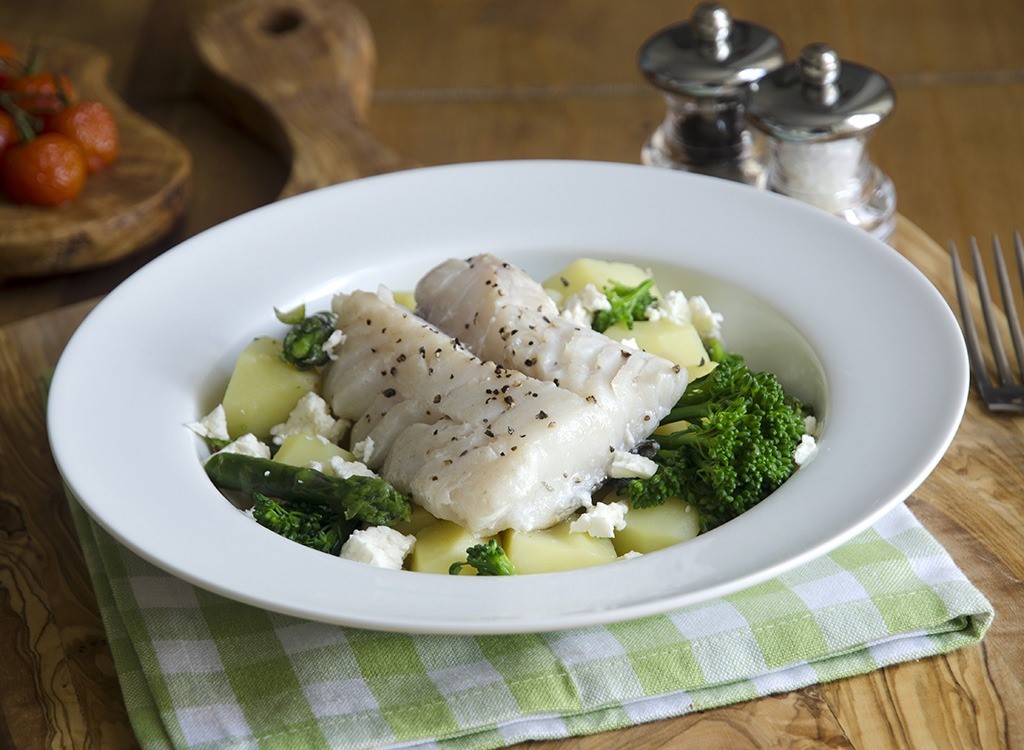
While you won’t be boosting immunity with this fish, research does suggest a regular serving of Atlantic codmay help you stay trim. An eight-week study of 120 men published in Nutrition, Metabolism & Cardiovascular Diseases found that when combined with a calorie-restricted diet, participants who consumed cod five times a week lost more weight and visceral fat and showed better improvements in their blood pressure than those who ate cod just one or three times per week.
Nutrition (per 3 oz serving): 65 calories, 0.6 g fat (0.2 g saturated fat), 360 mg sodium, 0 g carbs, 0 g fiber, 0 g sugar, 14 g protein Protein (g per 3 oz): 14 Omega-3s (mg per 3 oz): 145 Mercury levels (parts per billion): 200
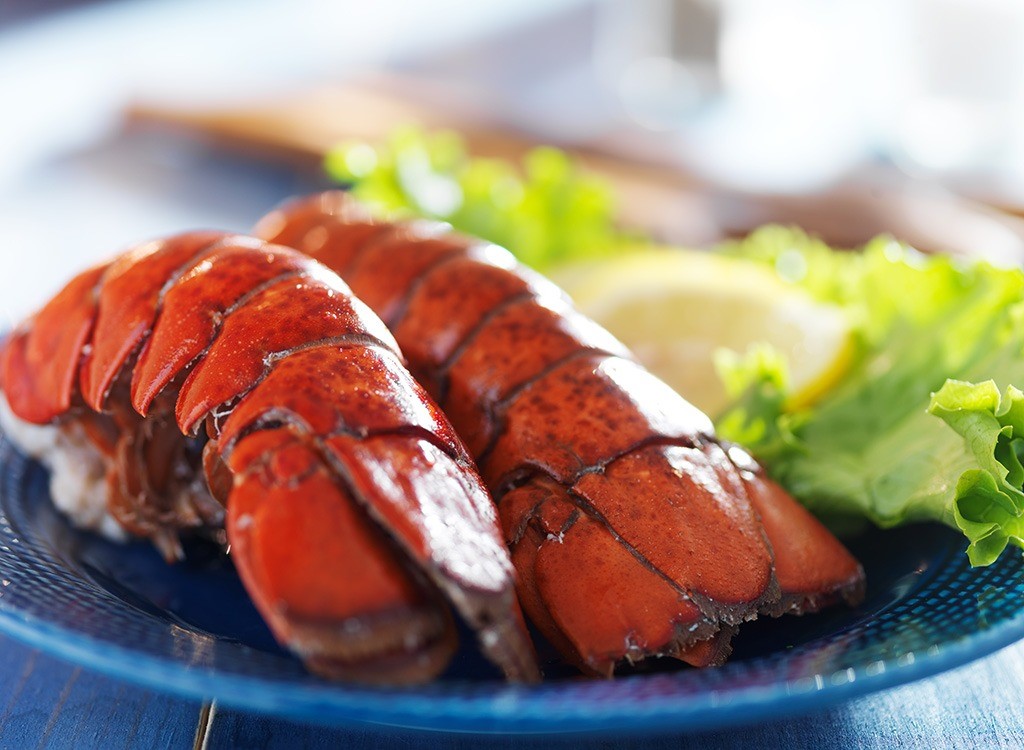
A staple of any trip to Maine, this northern lobster has a surprising low omega-3 concentration but maintains solid protein levels. You’ll have to eat double the amount of this lobster to get the same omega-3 levels as it’s spiny cousin (more on that later). Craving this seafood specialty? It’s one of meals under 500 calories at Red Lobster.
14Farmed Crawfish
Farmed Crawfish
Nutrition (per 3 oz): 61 calories, 0.8 g fat (0.1 g saturated fat), 53 mg sodium, 0 g carbs, 0 g fiber, 0 g sugar, 12.6 g protein Protein (g per 3 oz): 12.6 Omega-3s (mg per 3 oz): 122 Mercury levels (parts per billion): 34
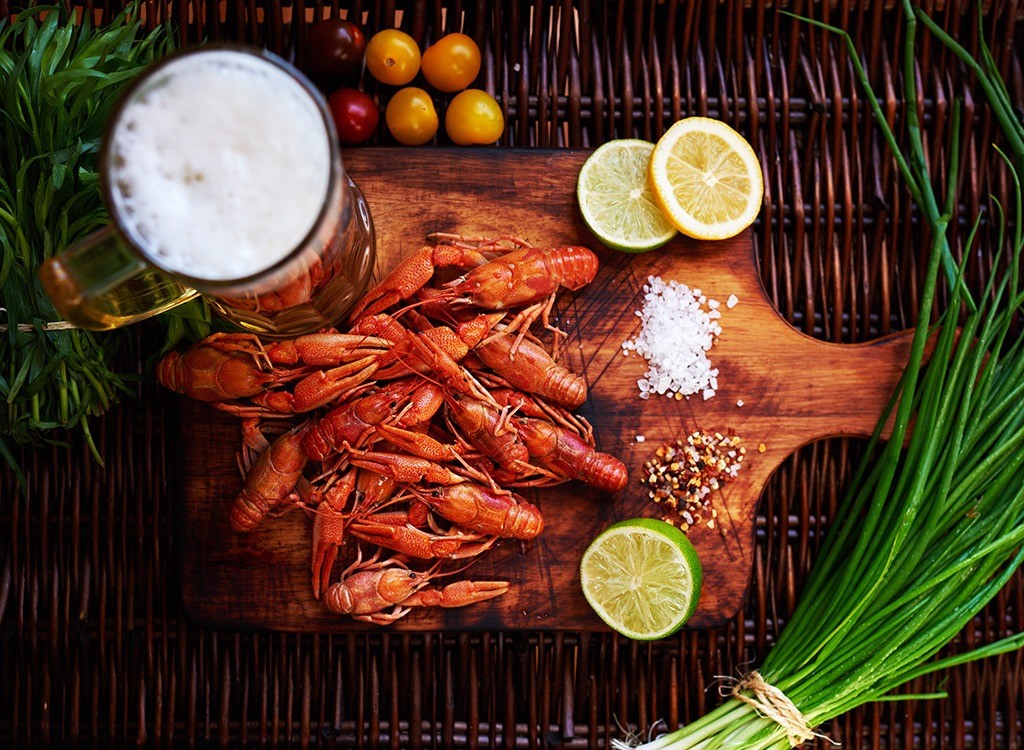
Known as crawfish, crayfish, and crawdads, whatever you choose to call them, these little crustaceans look and taste a lot like little lobsters. Typically used in Creole cooking down in Cajun country, crawfish festivals have been known to pile the little shellfish by the bucketful. As of 2005, Louisiana supplies 95 percent of the crayfish harvested in the United States from aquaculture. They’re farmed sustainably in rotation with crops and feed on plant material that grows naturally in the pond. The only problem? You have to eat 25 of them to get the nutrition levels listed above.
Nutrition (per 3 oz serving): 48 calories, 0.4 g fat (0.1 g saturated fat), 283 mg sodium, 0 g carbs, 0 g fiber, 0 g sugar, 10.4 g protein Protein (g per 3 oz): 10.4 Omega-3s (mg per 3 oz): 141 Mercury levels (parts per billion): 50
Don’t confuse this fish with cod. Although the pollock is closely related to the Atlantic cod, it lives in the colder waters in the Alaskan North Pacific Sea. Furthermore, the FDA just announced that that “Alaska pollock” can only be from Alaska. It might seem trivial, but this label ensures that Alaska will secure their grasp on the pollock market, kicking out their Russian competitors. Why all the competition? Pollock is the largest fishery in the U.S. and accounts for 11 percent of U.S. seafood intake.
12 Haddock
Haddock
Nutrition (per 3 oz serving): 63 calories, 0.4 g fat (0.1 g saturated fat), 181 mg sodium, 0 g carbs, 0 g fiber, 0 g sugar, 13.9 g protein Protein (g per 3 oz): 13.9 Omega-3s (mg per 3 oz): 112 Mercury levels (parts per billion): 164
A popular fish of frozen fish and chips (one of the unhealthiest foods on the planet), you can pick this fish up from the store when it’s in season between November and April, as the cold weather makes the flesh firmer. Despite its firmness, Haddock lacks many nutritional benefits, which is why it lands low on our ranking. Substitute it for halibut, another white-fleshed fish with more omega-3s.
Nutrition (per 3 oz serving): 72 calories, 0.4 g fat (0.1 g saturated fat), 481 mg sodium, 0 g carbs, 0 g fiber, 0 g sugar, 17 g protein Protein (g per 3 oz): 17 Omega-3s (mg per 3 oz): 52 Mercury levels (parts per billion): 53
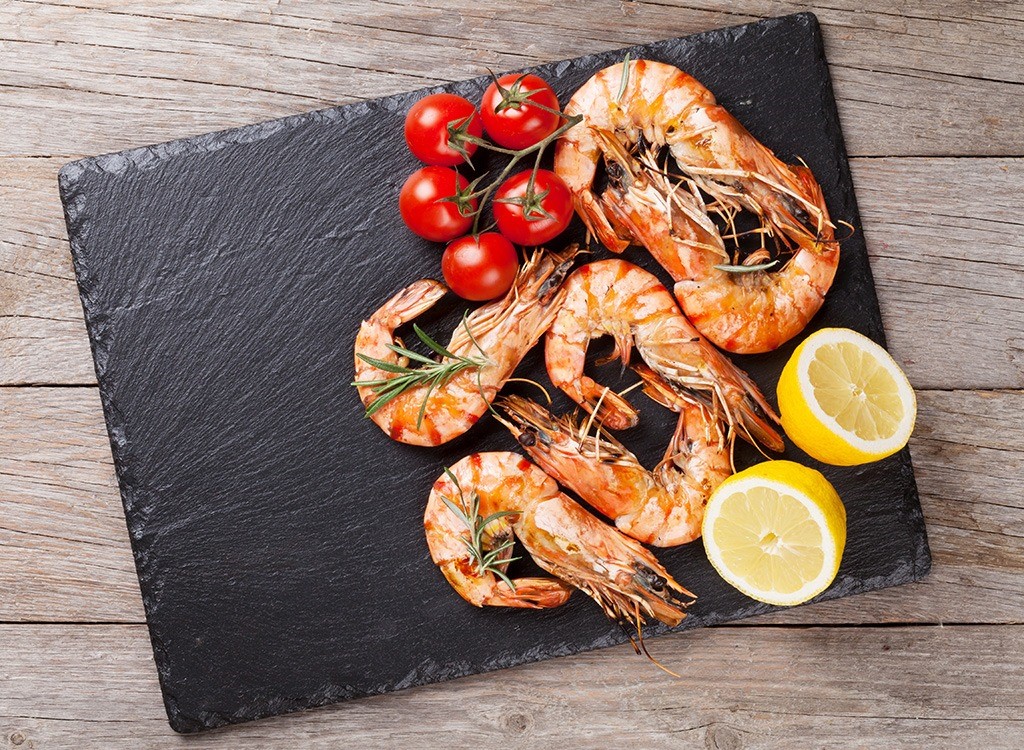
The number 1 top US consumed seafood, shrimp is rich in iodine, a building block of your metabolism-running thyroid hormones. Shrimp is a low-fat, low-calorie shellfish that can be enjoyed weekly, due to its low mercury content. Unfortunately, you won’t get much heart-healthy, immunity-boosting omega-3 benefits, but they still taste great with pasta in shrimp scampi or in our Shrimp and Grits recipe.
10 Farmed Catfish
Farmed Catfish
Nutrition (per 3 oz serving): 101 calories, 5 g fat (1.1 g saturated fat), 83 mg sodium, 0 g carbs, 0 g fiber, 0 g sugar, 13 g protein Protein (g per 3 oz): 13 Omega-3s (mg per 3 oz): 62 Mercury levels (parts per billion): 12
Farmed catfish may be raised in clean, fresh water but they contain significantly fewer valuable omega-3s compared to their wild counterparts. Even though catfish are naturally omnivores, farmed fish are fed unnatural diets of soybeans, corn, and rice.
9 Clams
Clams
Nutrition (per 3 oz serving): 73 calories, 0.8 g fat (0.2 g saturated fat), 511 mg sodium, 3 g carbs, 0 g fiber, 0 g sugar, 12.5 g protein Protein (g per 3 oz): 12.5 Omega-3s (mg per 3 oz): 91 Mercury levels (parts per billion): 28
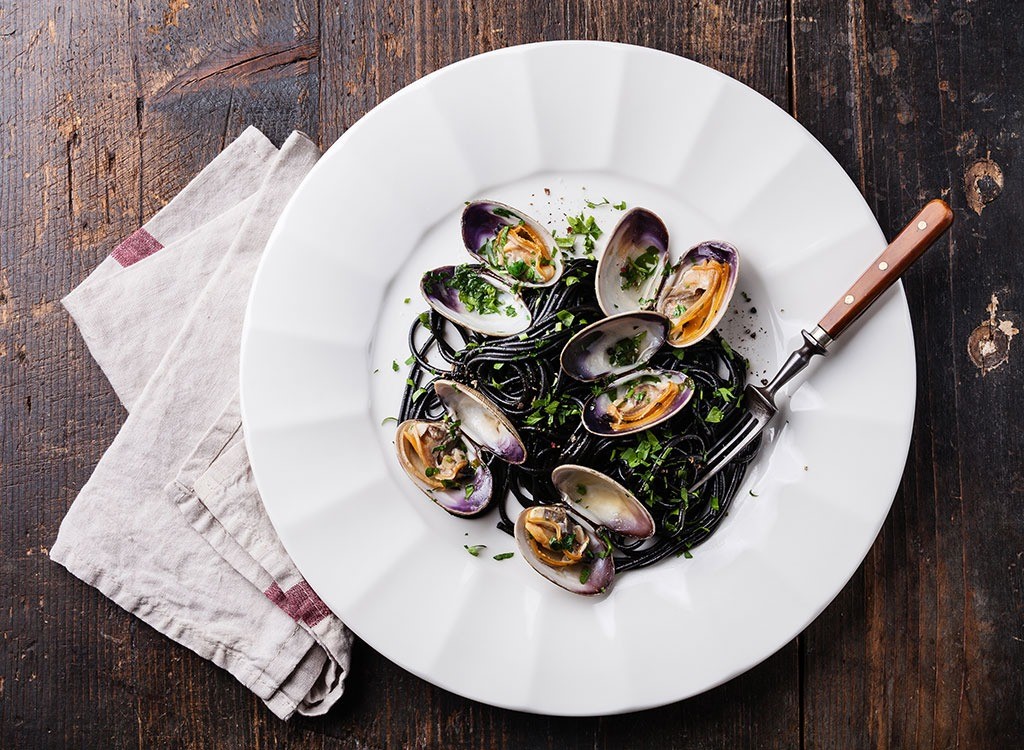
Steamed, littleneck, cockles, you name it. Clams are a hard-shelled fish with an amazing secret: They are the world’s greatest source of Vitamin B12 (according to the FDA, that is). Cooking the little shells bumps up their Vitamin B12 levels to 84 micrograms—that’s 1,402 percent your daily recommended value! Unfortunately, that’s not the only reason we came to the fish party. Clams are seriously lacking on the omega-3 and protein fronts compared to their peers.
8 Scallops
Scallops
Nutrition (per 3 oz serving): 59 calories, 0.42 g fat (0.1 g saturated fat), 333 mg sodium, 0 g carbs, 0 g fiber, 0 g sugar, 10.3 g protein Protein (g per 3 oz): 10.3 Omega-3s (mg per 3 oz): 88 Mercury levels (parts per billion): 40
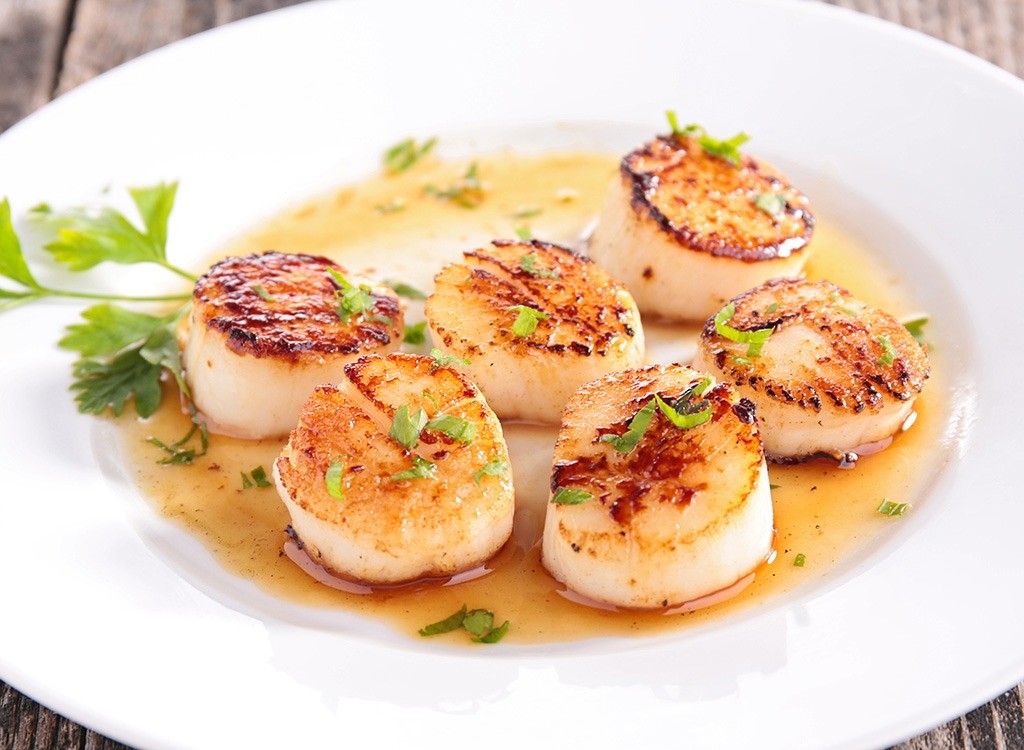
Nope, scallops aren’t ranked so low because they’re often guilty by association with creamy and decadent restaurant sauces (not great for weight loss). Despite being high-protein and low-calorie, these mollusks won’t provide you with a ton of omega-3s. However, they’re still great for your waistline. One study published in the Journal of Food Science found bioactive capsules made from scallop byproducts show significant anti-obesity effects. Throw tiny bay scallops on top of a salad or eat diver scallops with a lemony farro risotto.
7 Wild Pacific Cod
Wild Pacific Cod
Nutrition (per 3 oz serving): 61 calories, 0.2 g fat (0 g saturated fat), 93 mg sodium, 0 g carbs, 0 g fiber, 0 g sugar, 14.9 g protein Protein (g per 3 oz): 14.9 Omega-3s (mg per 3 oz): 57 Mercury levels (parts per billion): 144
If you want to salvage any nutritional value from this fish, please don’t bread and fry it for fish sticks. Cod’s high protein content and amino acid profile contribute to the fish’s satiating properties. In fact, a study in the European Journal of Clinical Nutrition found that people ate 11 percent less at dinner after having cod for lunch versus those who ate a beef lunch.
6 Grouper
grouper
Nutrition (per 3 oz serving): 78 calories, 0.9 g fat (0.2 g saturated fat), 45 mg sodium, 0 g carbs, 0 g fiber, 0 g sugar, 16.5 g protein Protein (g per 3 oz): 16.5 Omega-3s (mg per 3 oz): 210 Mercury levels (parts per billion): 417
A popular fish in Florida, the grouper is a bottom eating fish with hearty, but light, meat. This large fish prefers to swallow its prey (including fish, octopi, and crustaceans) whole. Because of it’s high mercury levels, you’d do best to eat this fish as often as you vacation.
5 Yellowtail Tuna
Yellowtail Tuna
Nutrition (per 3 oz serving): 93 calories, 0.4 g fat (0.1 g saturated fat), 38 mg sodium, 0 g carbs, 0 g fiber, 0 g sugar, 20.7 g protein Protein (g per 3 oz): 20.7 Omega-3s (mg per 3 oz): 85 Mercury levels (parts per billion): 270
You might see this fish listed on your sushi menu as “Hamachi” or “Buri.” In Tokyo cuisine, “Hamachi” is used to described yellowtail that is farmed. While natural buri swim thousands of miles in their lifetimes, hamachi don’t get much exercise while being farmed in fishnets, resulting in a noticeable difference in the quality of fish oil, and could account for this tuna’s low levels of omega-3s.
4 Tilapia
Tilapia
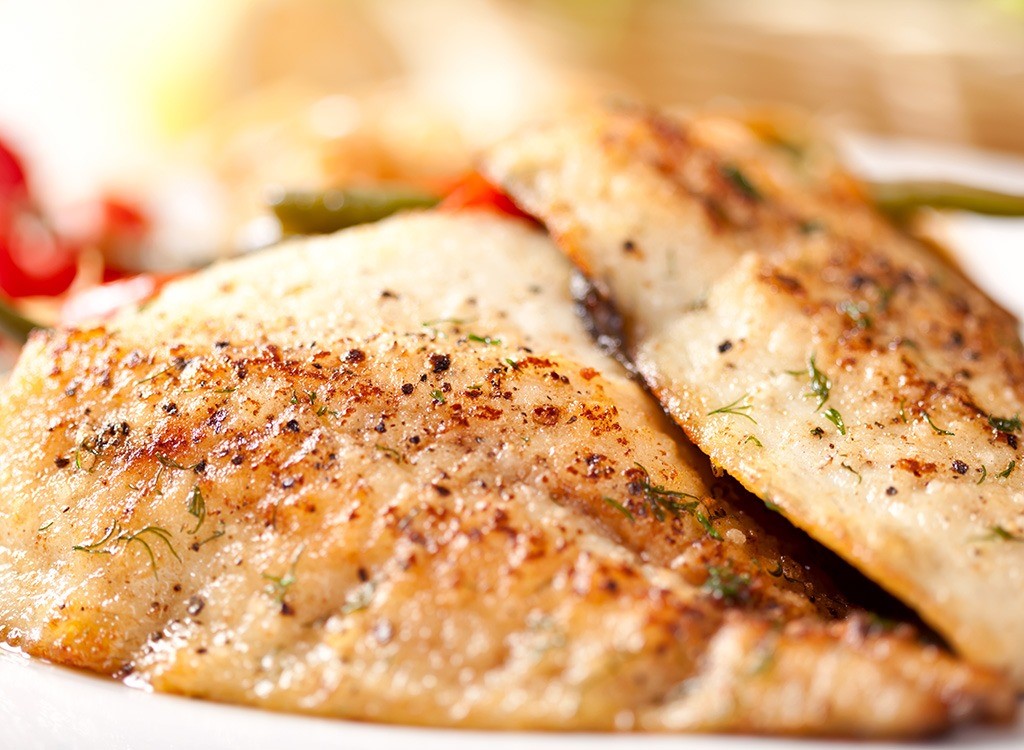
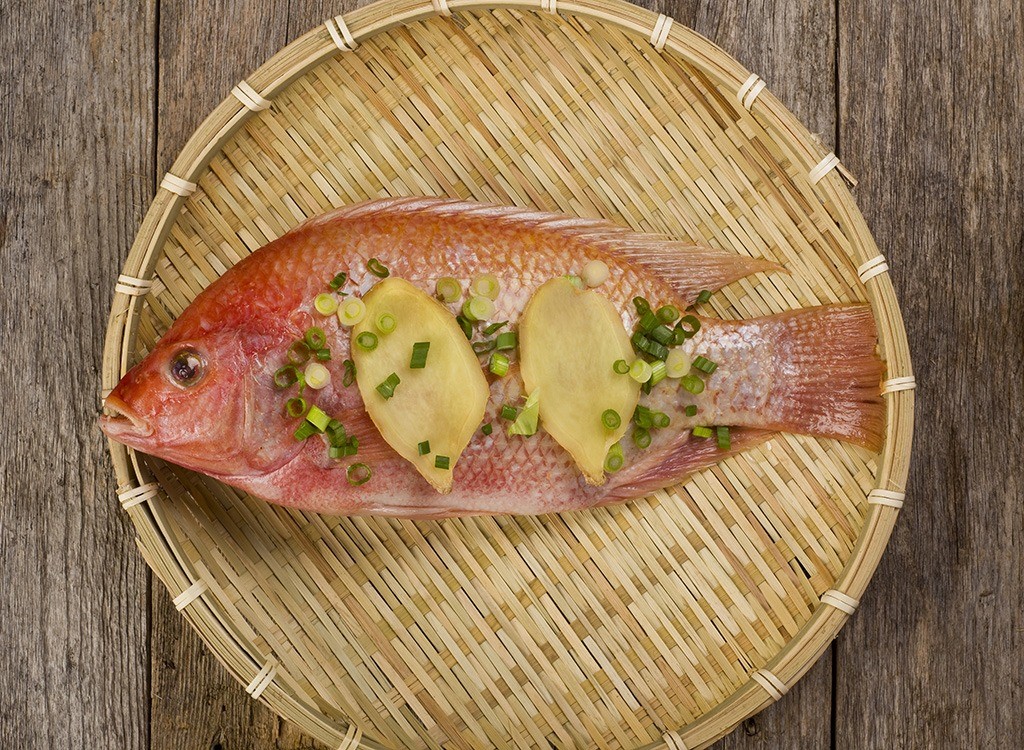
Nutrition (per 3 oz serving): 81 calories, 1.4 g fat (0.5 g saturated fat), 44 mg sodium, 0 g carbs, 0 g fiber, 0 g sugar, 17 g protein Protein (g per 3 oz): 17 Omega-3s (mg per 3 oz): 77 Mercury levels (parts per billion): 19
Deficient of omega-3s, and typically accompanied by an astronomical level of omega-6s, this fish is worse for your belly than bacon. Additionally, most tilapia is farm-raised and fed a diet of corn instead of lake plants and algae, making them the turducken of seafood: Junk stuffed with junk surrounded by junk.
3 Swordfish
Swordfish
Nutrition (per 3 oz serving): 122 calories, 5.7 g fat (1.4 g saturated fat), 69 mg sodium, 0 g carbs, 0 g fiber, 0 g sugar, 16.7 g protein Protein (g per 3 oz): 16.7 Omega-3s (mg per 3 oz): 641 Mercury levels (parts per billion): 893
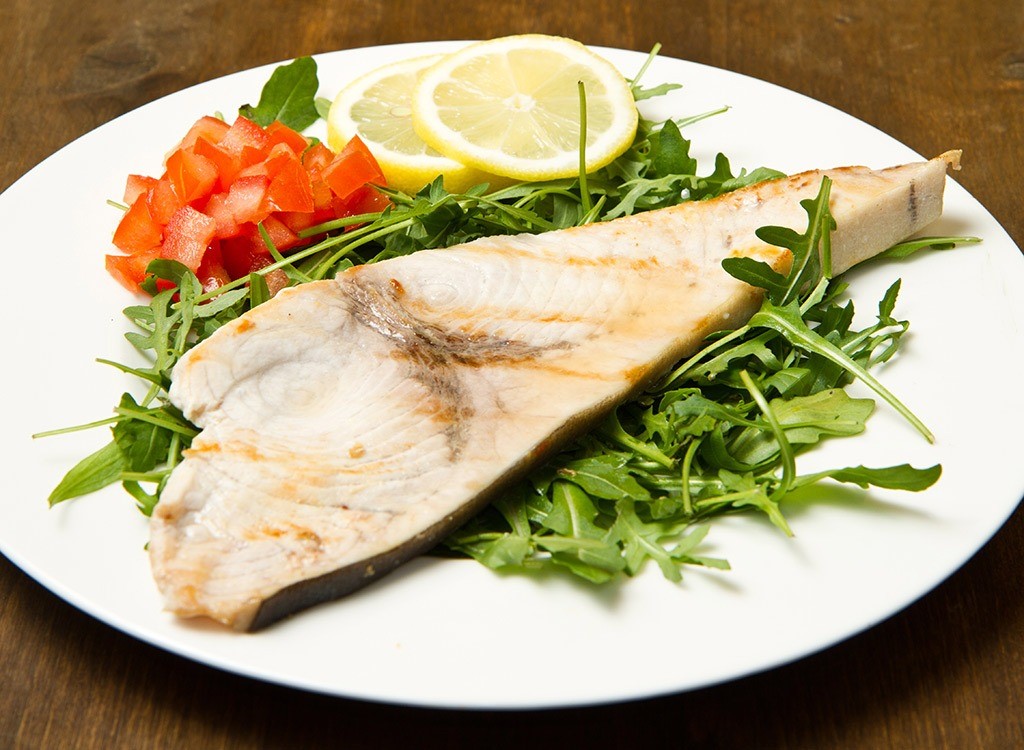
Like all the fish ranked below it, swordfish contains dangerously high levels of mercury, an element which acts as an endocrine disruptor. An endocrine disruptor is a fake hormone that tricks your body into holding on to fat, burning fewer calories, and reducing levels of leptin, a hormone that regulates appetite. The marlin fish, one of this billfish’s cousins, is even worse: It has mercury levels at 1,517 ppb. Its high levels of selenium and vitamin D are what kept it better-for-you than the next big guy…
2 Shark
Shark
Nutrition (per 3 oz serving): 110 calories, 3.8 g fat (0.8 g saturated fat), 67 mg sodium, 0 g carbs, 0 g fiber, 0 g sugar, 17.8 g protein Protein (g per 3 oz): 17.8 Omega-3s (mg per 3 oz): 717 Mercury levels (parts per billion): 882
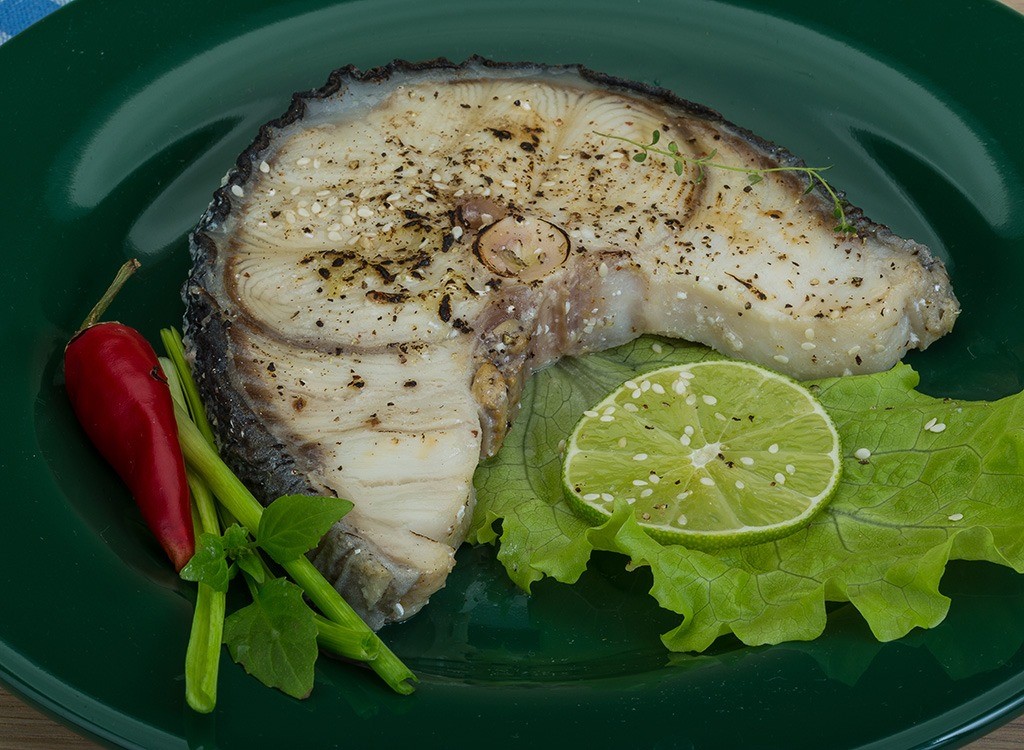
You should always swim away from sharks, in sea and on land. With terrifying mercury levels at 883 ppb, no amount of omega-3s or protein can justify this catch.
1 The Least Healthy Fish Is… Tilefish
Tilefish
Nutrition (per 3 oz serving): 82 calories, 1.96 g fat (0.4 g saturated fat), 45 mg sodium, 0 g carbs, 0 g fiber, 0 g sugar, 14.9 g protein Protein (g per 3 oz): 14.9 Omega-3s (mg per 3 oz): 365 Mercury levels (parts per billion): 883
Tilefish has the highest mercury level among all varieties of fish, with 883 parts of mercury per billion. And those you find from the Gulf of Mexico? Mercury levels can reach up to 1,445 ppb! That’s 45% higher than the USDA allowed maximum.
Category 2: The Most Nutritious And Safest Fish
In order to make the best list, these fish had to have moderate levels of mercury or better (less than 350 ppb), be a good source of protein, and have no less than 200 mg of omega-3s. In other words, these fish are actually worth your time and money—and won’t make you sick in exchange for their nutrients.
22 Wild Eastern Oysters
Wild Eastern Oysters
Nutrition (per 3 oz serving): 43 calories, 1.4 g fat (0.4 g saturated fat), 71 mg sodium, 2.3 g carbs, 0 g fiber, 0.5 g sugar, 4.8 g protein Protein (g per 3 oz): 4.8 Omega-3s (mg per 3 oz): 263 Mercury levels (parts per billion): 18
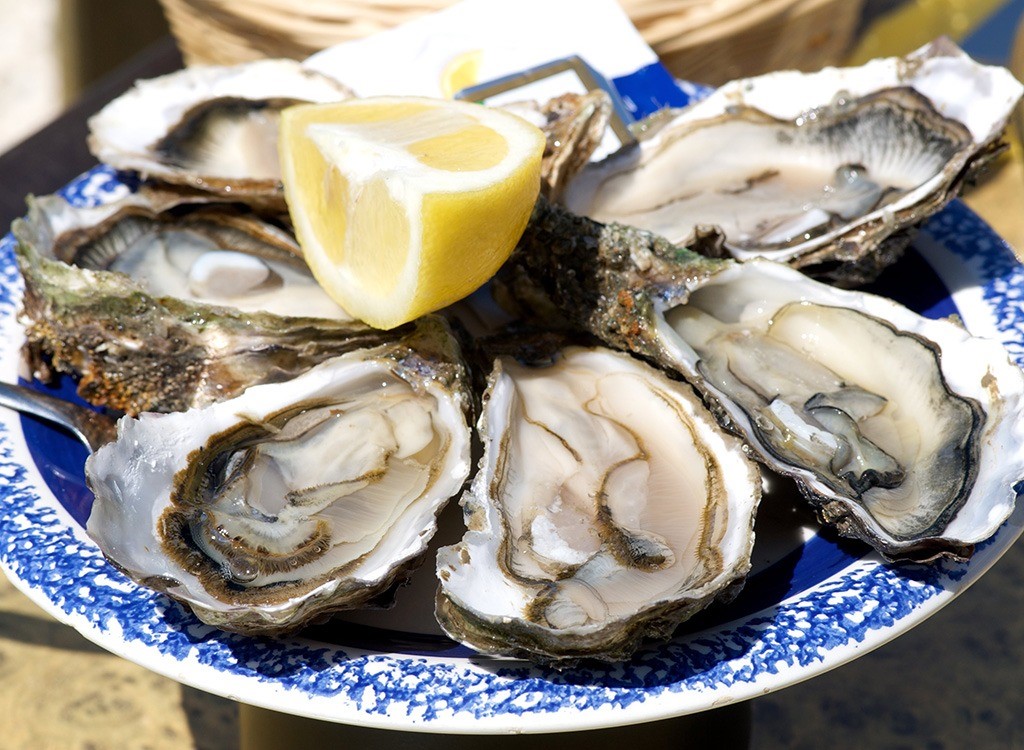
Compared to these oysters’ pacific cousins, their slightly smaller size means your omega-3 gain is significantly reduced. When looking for the best mollusk, examine their shells: Atlantic oysters have a smoother and rounder shell while Pacific oysters have a sharper and more rigid shell. Why? The Pacific ocean is much rougher than the Atlantic, so oysters hailing from this ocean form a tougher shell to protect themselves. Don’t throw these shells to the side just yet, though. Oysters have been found to be full of iron, and just 6 of these provide 21 percent of your recommended daily allowance. Good news since iron deficiencies have been linked to a significant increase in fat gene expression.
21 Dungeness Crab
Dungeness Crab
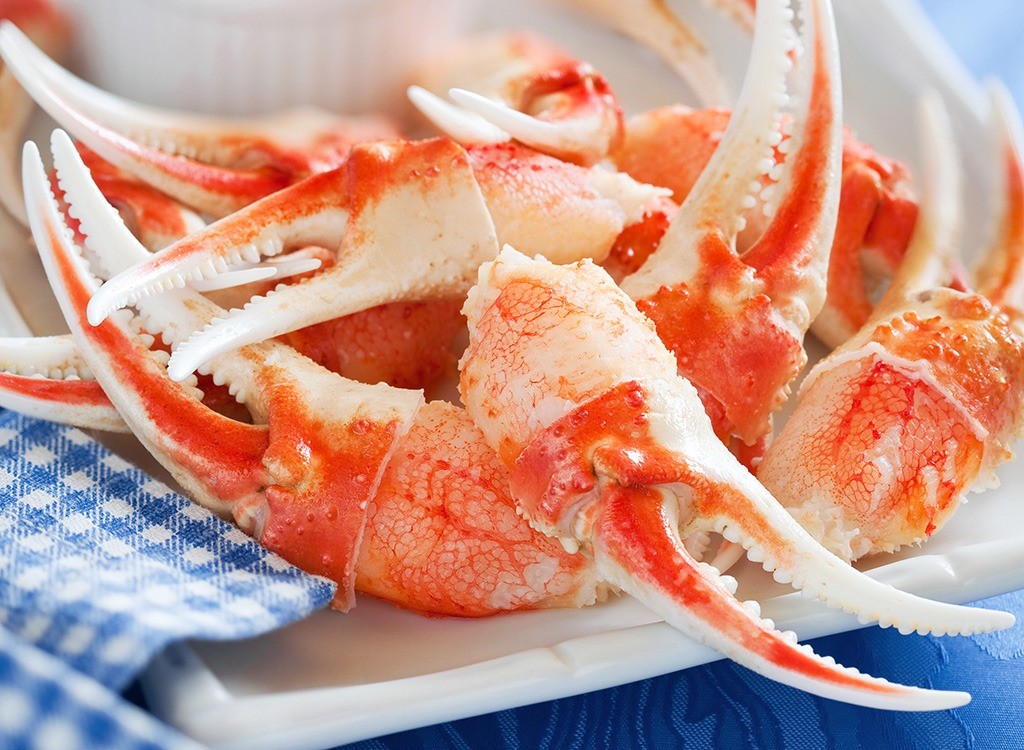
Nutrition (per 3 oz serving): 73 calories, 0.8 g fat (0.1 g saturated fat), 251 mg sodium, 0 g carbs, 0 g fiber, 0 g sugar, 14.8 g protein Protein (g per 3 oz): 14.8 Omega-3s (mg per 3 oz): 261 Mercury levels (parts per billion): 120
Earning its name from a town in Washington where it’s found, Dungeness crabs live in the chilly Pacific waters on the West Coast. While not a top source of omega-3s per ounce, when it comes to serving size, a single crab is just under 6 ounces, so if you eat the whole thing, you’re looking at 28 grams of protein and 500 mg omega-3s per crab. Besides filling your belly, you can ease your mind knowing that Seafood Watch—one of the most popular sustainable seafood advisory lists—has given the crab a sustainable seafood rating of “Best Choice.”
20 Perch
Perch
Nutrition (per 3 oz serving): 77 calories, 0.8 g fat (0.2 g saturated fat), 53 mg sodium, 0 g carbs, 0 g fiber, 0 g sugar, 16.5 g protein Protein (g per 3 oz): 16.5 Omega-3s (mg per 3 oz): 215 Mercury levels (parts per billion): 141
Perch are a popular sport fish species because they put up a good fight. That fight certainly pays off with some good protein and healthy fats.
19 Skipjack Tuna
Skipjack Tuna
Nutrition (per 3 oz serving): 88 calories, 0.9 g fat (0.3 g saturated fat), 31 mg sodium, 0 g carbs, 0 g fiber, 0 g sugar, 18.7 g protein Protein (g per 3 oz): 18.7 Omega-3s (mg per 3 oz): 217 Mercury levels (parts per billion): 198
Skipjack tuna is smaller than its yellowfin cousin, which helps it to soaks up fewer toxins. Even with its smaller size, it still has almost 200 ppb of mercury, so be mindful of the frequency of which you eat it—especially if you buy bulk-buying mecca Costco’s new sustainable (and affordable) skipjack tuna brand. What is sustainable tuna? It’s tuna that is FAD-free: fish aggregating devices (FADs) are large nets that can kill sharks, rays, and turtles that are caught along with the tuna.
18 Black Sea Bass
Black Sea Bass
Nutrition (per 3 oz serving): 82 calories, 1.7 g fat (0.4 g saturated fat), 58 mg sodium, 0 g carbs, 0 g fiber, 0 g sugar, 15.7 g protein Protein (g per 3 oz): 15.7 Omega-3s (mg per 3 oz): 506 Mercury levels (parts per billion): 120
This petite fish inhabits the eastern coast, from Maine to Florida. Besides finding it in restaurants, the black sea bass is also a popular recreational catch. Chilean sea bass, however, shouldn’t be consumed as often as its mercury levels are 357 ppb.
17 Wild Striped Bass
Wild Striped Bass
Nutrition (per 3 oz serving): 82 calories, 2 g fat (0.4 g saturated fat), 59 mg sodium, 0 g carbs, 0 g fiber, 0 g sugar, 15 g protein Protein (g per 3 oz): 15 Omega-3s (mg per 3 oz): 641 Mercury levels (parts per billion): 295
Stripers are a long-lived species, and many live to over 30 years of age. Their long life may expose them to and influence their increased levels of mercury, which accounts for the 295 ppb. It’s also a reason for their large size—the world record for striped bass is over 81 pounds! And all that meat is packed with omega-3s and vitamin B12.
16 Red and Gray Snapper
Red and Gray Snapper
Nutrition (per 3 oz serving): 85 calories, 1.1 g fat (0.2 g saturated fat), 54 mg sodium, 0 g carbs, 0 g fiber, 0 g sugar, 17.4 g protein Protein (g per 3 oz): 17.4 Omega-3s (mg per 3 oz): 264 Mercury levels (parts per billion): 230
The Red Snapper is one of the Gulf of Mexico’s signature fish. For many commercial fishermen, it’s primarily where their profits come from. In fact, back in 2011, Gulf fishermen harvested 3.6 million pounds of red snapper that were valued at $11.4 million. We’re definitely on board with its popularity—the fish is a great source of lean protein to help build muscle, boost your metabolism, and increase feelings of fullness.
15 Blue Crab
Blue Crab
Nutrition (per 3 oz serving): 74 calories, 0.9 g fat (0.2 g saturated fat), 249 mg sodium, 0 g carbs, 0 g fiber, 0 g sugar, 15.4 g protein Protein (g per 3 oz): 15.4 Omega-3s (mg per 3 oz): 273 Mercury levels (parts per billion): 95
These blueclaws are found on the Atlantic coast, and will most certainly be the crab of choice if you ever visit a Maryland crab restaurant. You’ll have to eat four of the crustaceans to meet the 3-ounce serving, but we don’t think that’ll be too much of a problem if you belly up to an old-fashioned crab shack.
14 Mussels
Mussels
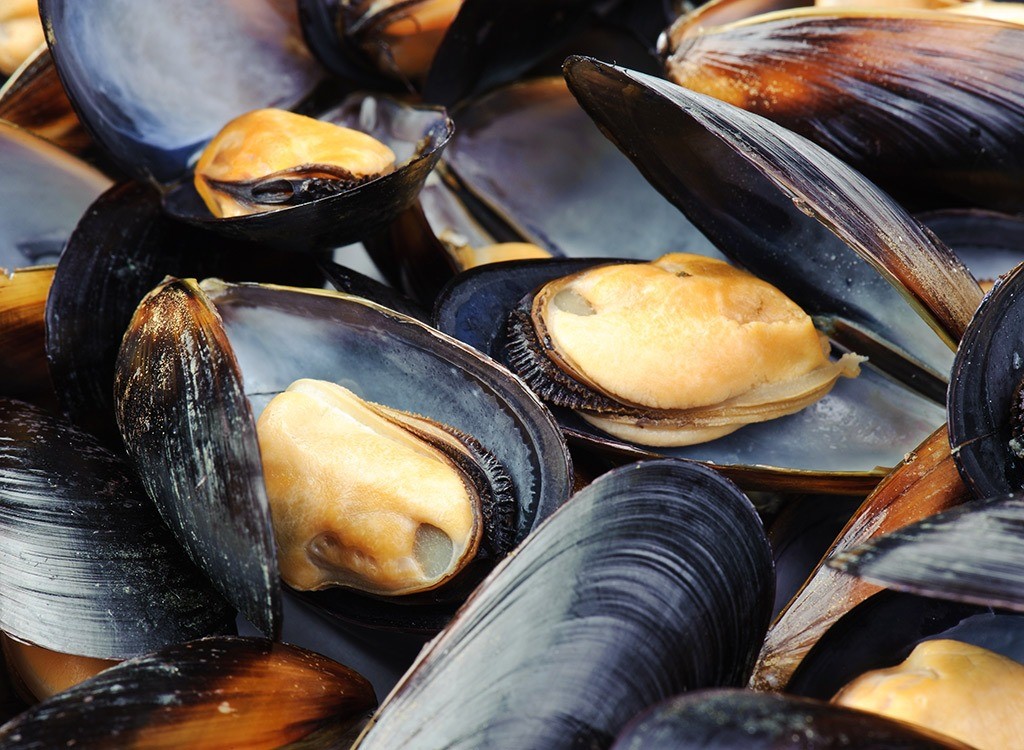
Nutrition (per 3 oz serving): 73 calories, 1.9 g fat (0.4 g saturated fat), 243 mg sodium, 0 g carbs, 0 g fiber, 0 g sugar, 10.1 g protein Protein (g per 3 oz): 10.1 Omega-3s (mg per 3 oz): 375 Mercury levels (parts per billion): 28
Farmed or wild, mussels are a great source of protein and omega-3s and a super source of vitamin B12 with 170 percent of your daily recommended intake per 3 ounces (which is equivalent to only five mussels—way fewer than you’ll get in any classic mussel dish). It turns out, farmed mussels are raised in an environmentally responsible manner that may actually improve the surrounding marine environment.
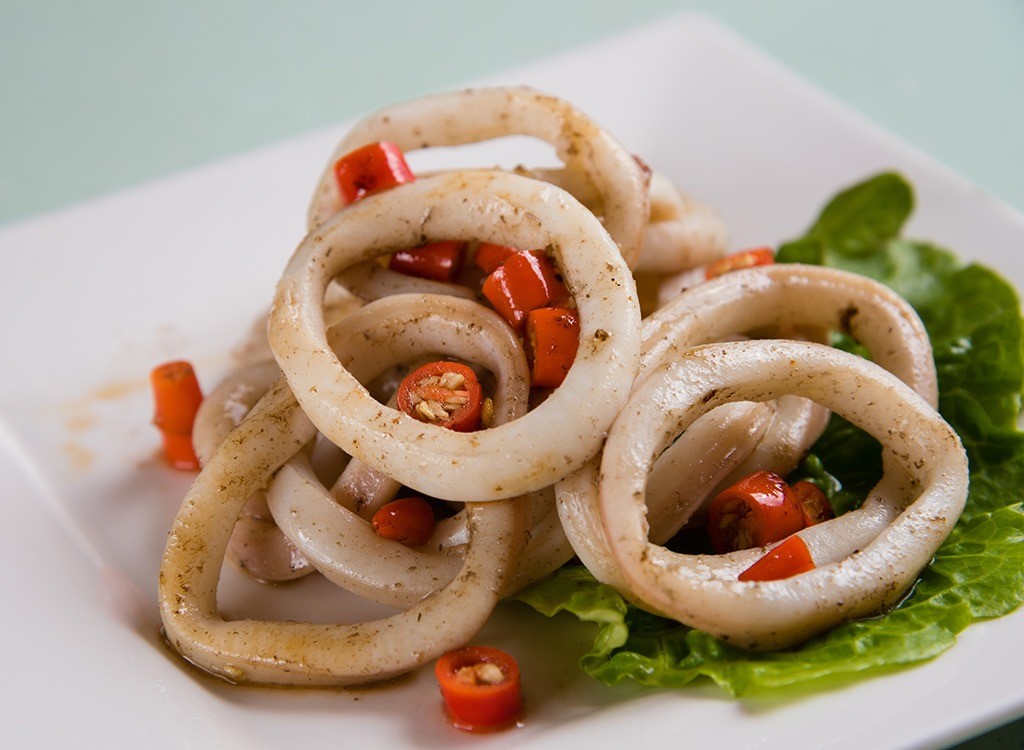
13 Squid
Squid
Nutrition (per 3 oz serving): 78 calories, 1.2 g fat (0.3 g saturated fat), 37 mg sodium, 0 g carbs, 0 g fiber, 0 g sugar, 13.2 g protein Protein (g per 3 oz): 13.2 Omega-3s (mg per 3 oz): 415 Mercury levels (parts per billion): 44
Technically, and quite surprisingly, a squid is a type of mollusk: the same family as mussels and clams. This is because squid used to have a shell just like these other shellfish, but over time, it was reduced down to a pen-like structure. Well, use that pen to write down squid (or calamari) on your grocery list. Squid is so high in omega-3s that it’s a source of omega-3 supplement oil.
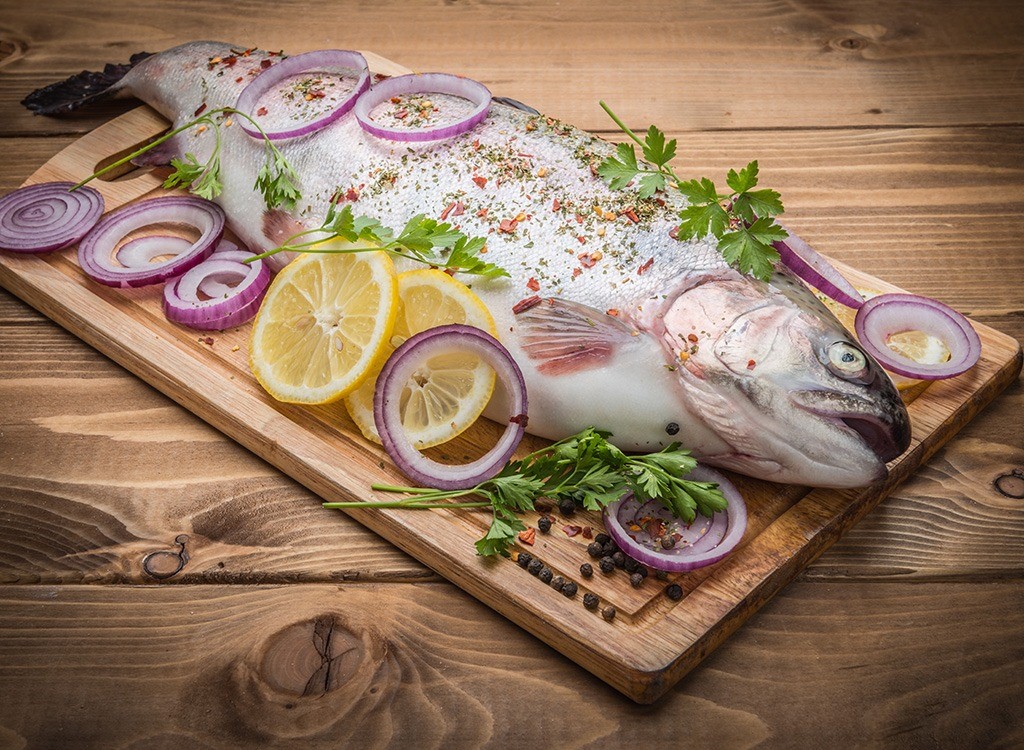
12 Wild Rainbow Trout
Wild Rainbow Trout
Nutrition (per 3 oz serving): 101 calories, 2.9 g fat (0.6 g saturated fat), 26 mg sodium, 0 g carbs, 0 g fiber, 0 g sugar, 17.4 g protein Protein (g per 3 oz): 17.4 Omega-3s (mg per 3 oz): 499 Mercury levels (parts per billion): 344
Following a rainbow can lead you to a pot of gold: a lean-protein and omega-3 pot of gold, that is. Because of moderate PCB contamination due to their lake habitats, the Environmental Defense Fund (EDF) recommends kids limit consumption to two to three meals a month, depending on their age.
11 Bluefish
Bluefish
Nutrition (per 3 oz serving): 105 calories, 3.6 g fat (0.8 g saturated fat), 51 mg sodium, 0 g carbs, 0 g fiber, 0 g sugar, 17 g protein Protein (g per 3 oz): 17 Omega-3s (mg per 3 oz): 655 Mercury levels (parts per billion): 350
These fish are strong and aggressive, which is why lifeguards are taught to remove swimmers from the water when they see any signs of bluefish feeding frenzies. During these frenzies, bluefish will continue to attack and eat anything in their way even after they’ve eaten their fill. (Sounds just like what happens after you eat these 24 foods that make you hungrier.) This overeating is most likely the reason that bluefish have a fairly high mercury level. Because of the medium levels of mercury, be sure to consume this fish in moderation, but when you do, it’ll give you a great source of omega-3s and lean protein.
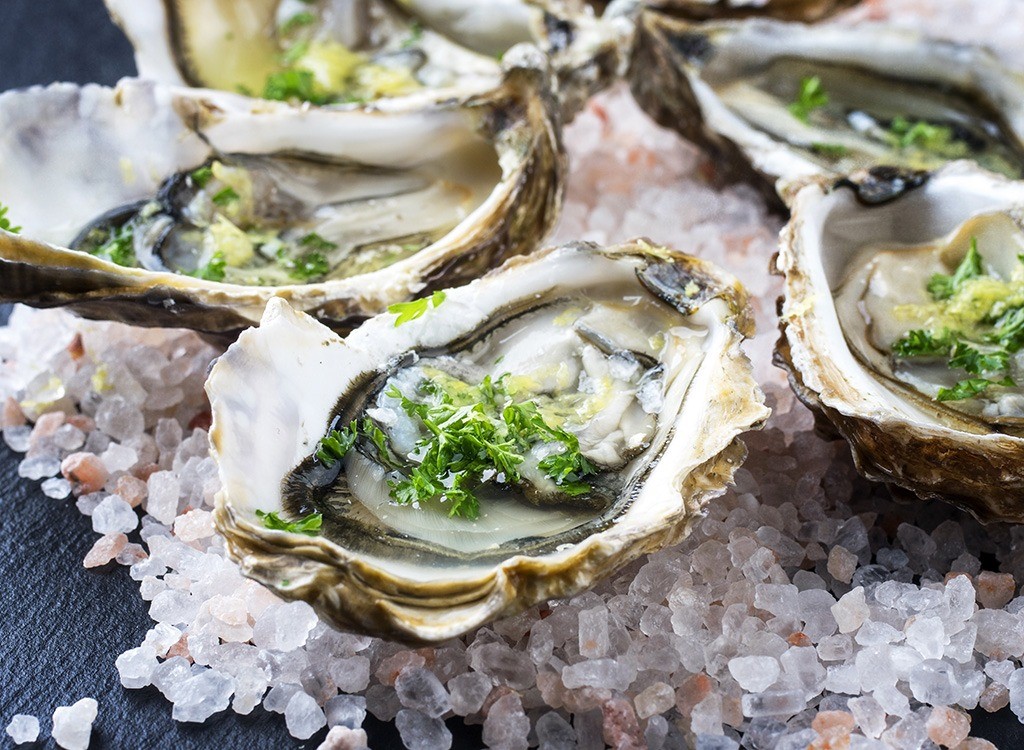
10 Pacific Wild Oysters
Pacific Wild Oysters
Nutrition (per 3 oz serving): 69 calories, 2 g fat (0.4 g saturated fat), 90 mg sodium, 4.2 g carbs, 0 g fiber, 0 g sugar, 8 g protein Protein (g per 3 oz): 8 Omega-3s (mg per 3 oz): 584 Mercury levels (parts per billion): 39
While oysters’ protein per ounce may appear low at first, shuck a plate of just six of these pearl-yielding mollusks and your protein profit skyrockets to 28 grams along with 2,064 mg of omega-3s. Anti-inflammatory properties of omega-3s aren’t the only benefit of eating oysters. In fact, their high levels of zinc may help brighten your mood, but could also be the root of their well-known reputation as an aphrodisiac. A study in Nutrition found that six months of zinc supplementation among slightly zinc-deficient elderly men doubled serum levels of testosterone—the hormone whose levels reflects libido.
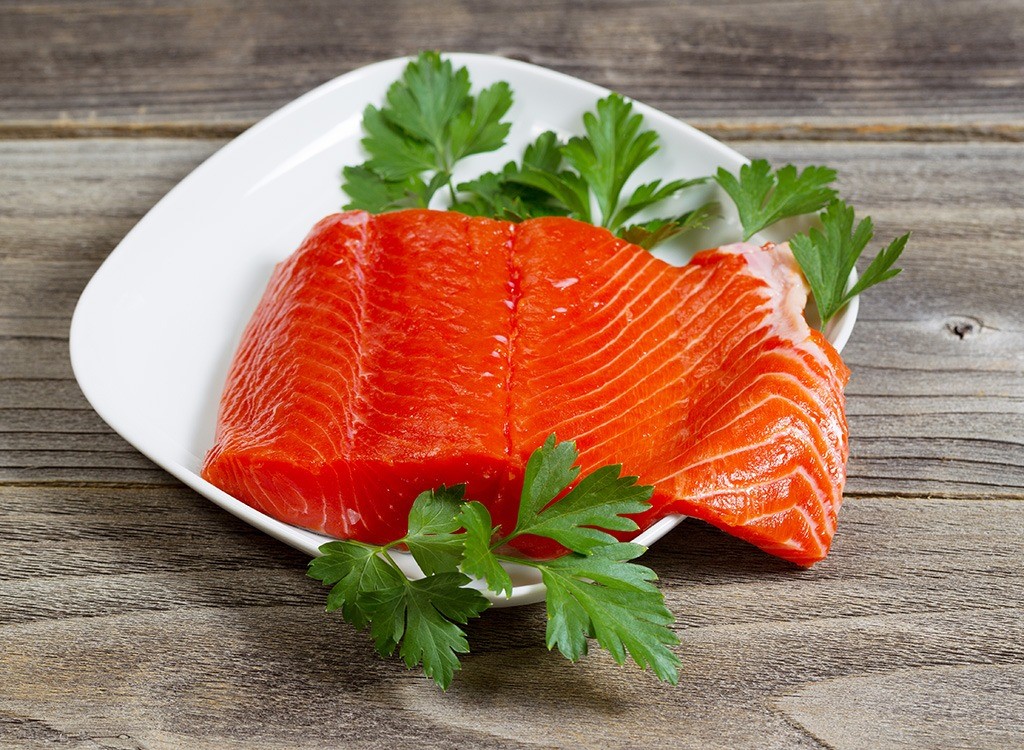
9 Sockeye Salmon
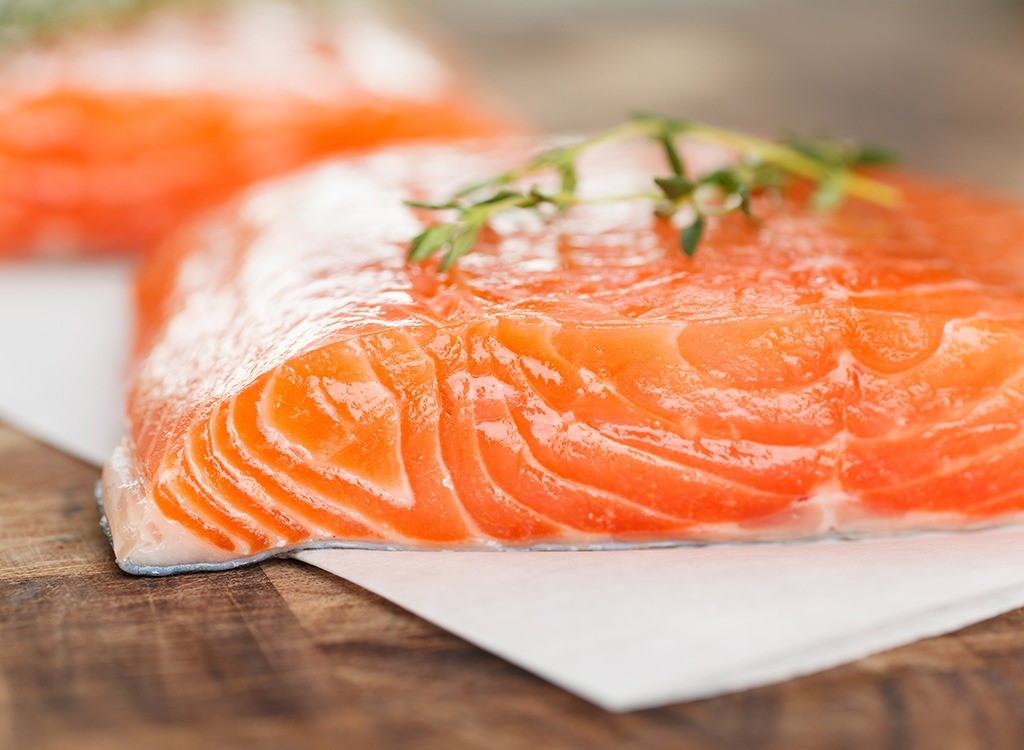
Sockeye Salmon
Nutrition (per 3 oz serving): 111 calories, 4 g fat (0.7 g saturated fat), 66 mg sodium, 0 g carbs, 0 g fiber, 0 g sugar, 18.9 g protein Protein (g per 3 oz): 6.3 Omega-3s (mg per 3 oz): 613 Mercury levels (parts per billion): 39
Sockeye salmon is much deeper in red than other salmon species because it noshes on krill, a type of small shrimp. Besides being a great source of omega-3s, a 3-ounce portion ranks as your seventh best source of vitamin D, with 112 percent of your recommended intake. This sun vitamin is rarely found in food but is important in warding off breast and prostate cancer as well as boosting heart health.
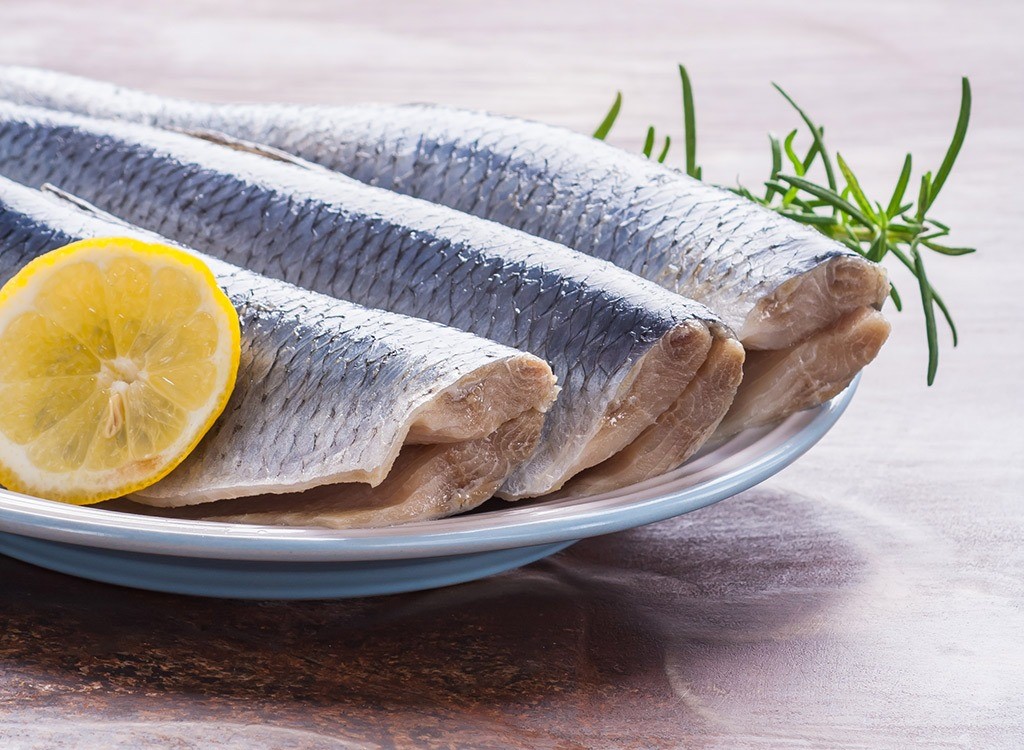
8 Atlantic Herring
Atlantic Herring
Nutrition (per 3 oz serving): 134 calories, 7.7 g fat (1.7 g saturated fat), 76 mg sodium, 0 g carbs, 0 g fiber, 0 g sugar, 15.3 g protein, 56% RDA Selenium, 484% RDA Vitamin B12 Protein (g per 3 oz): 15.3 Omega-3s (mg per 3 oz): 1,336 Mercury levels (parts per billion): 43
Herring is the superfood of the sea. Besides being one of this list’s top three sources of omega-3s per ounce, herring is also one of the best sources of vitamin B12—over 160 percent RDI per ounce—and vitamin D—11 percent RDI per ounce. When it comes to cooking, grill herring and dress with a mixture of mustard, lemon juice and its own oil for a dinner packed with protein and healthy fats. Serve with a side of sautéed kale and some quinoa to round out your plate.
7 European Anchovy
European Anchovy
Nutrition (per 3 oz serving): 111 calories, 4.11 g fat (1.1 g saturated fat), 88 mg sodium, 0 g carbs, 0 g fiber, 0 g sugar, 17.3 g protein Protein (g per 3 oz): 17.3 Omega-3s (mg per 3 oz): 1,231 Mercury levels (parts per billion): 103
You may already use it in your Caesar salad dressings, but anchovies’ omega-3 levels of five times your recommended daily intake might give you reason to find more ways to introduce this power food into your cooking arsenal. Try it in our prime rib with Italian herb sauce.
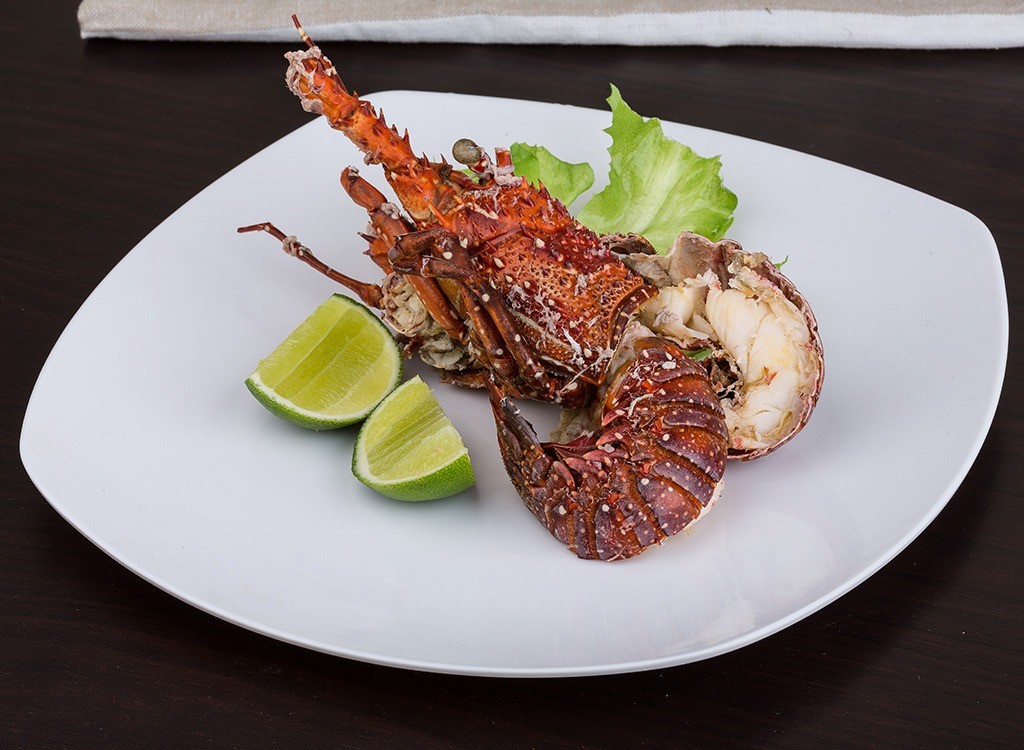
6 Spiny Lobster
Spiny Lobster
Nutrition (per 3 oz serving): 95 calories, 1.3 g fat (0.2 g saturated fat), 150 mg sodium, 0 g carbs, 0 g fiber, 0 g sugar, 17.5 g protein Protein (g per 3 oz): 17.5 Omega-3s (mg per 3 oz): 317 Mercury levels (parts per billion): 100
This lobster lacks the terrifying claws characteristic of its Maine cousin but makes up for it in its abundance of protruding barbs. Typically found in warmer seas in the Caribbean and Mediterranean, their tails are packed with omega-3s, and the whole lobster provides 122 percent of your daily recommended vitamin B12, a vitamin unique to animal sources that facilitates proper nerve function.
5 Atlantic Pollock
Atlantic Pollock
Nutrition (per 3 oz serving): 78 calories, 0.8 g fat (0.1 g saturated fat), 73 mg sodium, 0 g carbs, 0 g fiber, 0 g sugar, 16.5 g protein Protein (g per 3 oz): 16.5 Omega-3s (mg per 3 oz): 358 Mercury levels (parts per billion): 160
Despite their shared name, Atlantic pollock are larger and darker than the Alaskan pollock, which is actually a different species. Another big difference? The Atlantic fish has a much higher omega-3 content. It’s mild flavor and delicate texture makes it extremely versatile, so feel free to dress it up however you’d like!
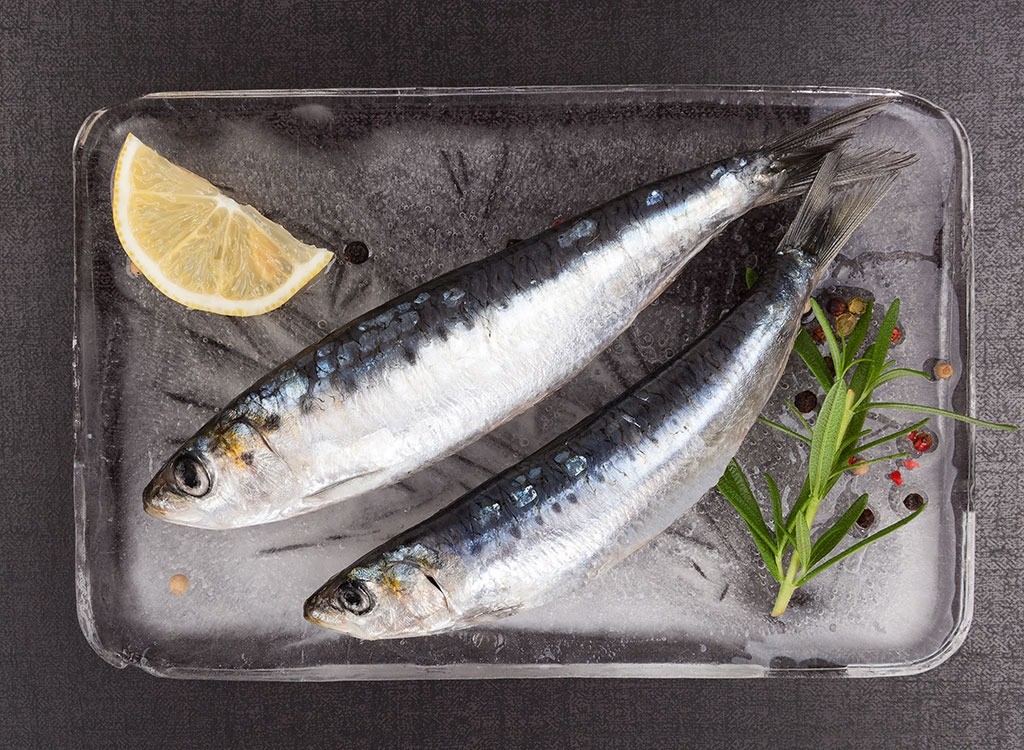
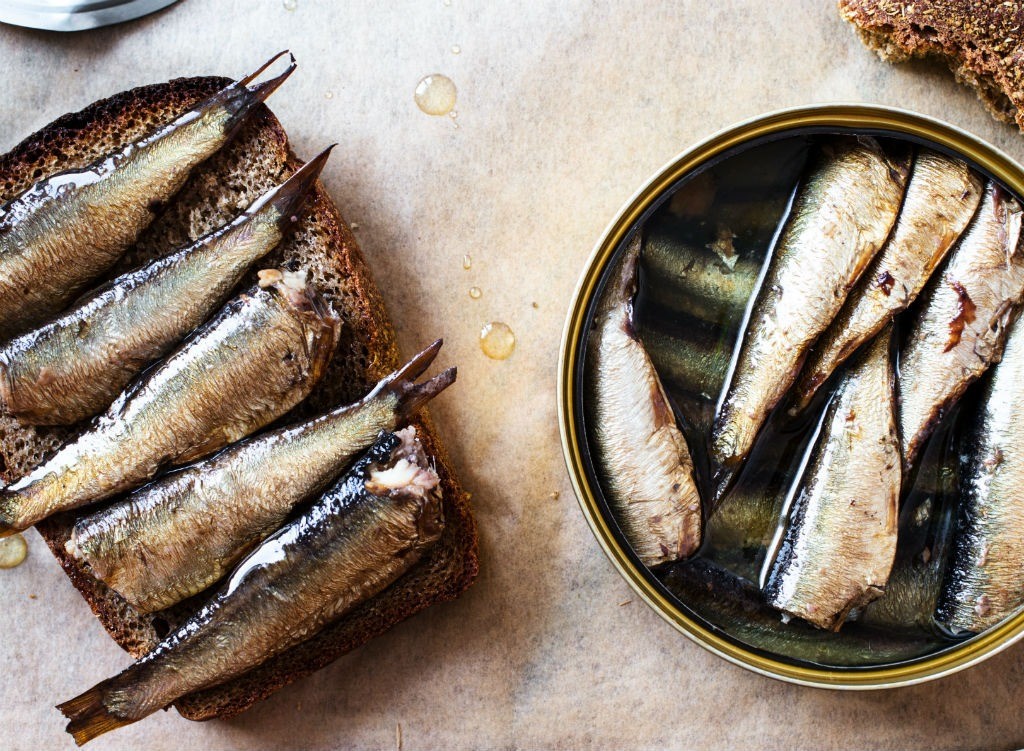
4 Canned Sardines in Oil
Canned Sardines in Oil
Nutrition (per 3 oz serving): 177 calories, 9.7 g fat (1.3 g saturated fat), 261 mg sodium, 0 g carbs, 0 g fiber, 0 g sugar, 21 g protein Protein (g per 3 oz): 21 Omega-3s (mg per 3 oz): 835 Mercury levels (parts per billion): 79
The smaller the fish, the smaller the amount of mercury. These tiny fish typically come from the Pacific. Despite their diminutive size, they pack a nutritional punch (which is why they’re one of the superfoods you need). A mere 3 ounces provides 12 percent your recommended daily intake of vitamin D and 64 percent of selenium, a mineral that plays a key role in metabolism, immunity, and reproductive health. Canned versions are known to be high in sodium, so be sure to consume them in moderation or look for low-sodium canned versions.
3 Atlantic & Pacific Halibut
Atlantic & Pacific Halibut
Nutrition (per 3 oz serving): 186 calories, 2.7 g fat (0.6 g saturated fat), 139 mg sodium, 0 g carbs, 0 g fiber, 0 g sugar, 37.9 g protein Protein (g per 3 oz): 37.9 Omega-3s (mg per 3 oz): 396 (0.135 + 0.261 Mercury levels (parts per billion): 261
This meaty white fish’s mild flavor makes it immensely versatile. Besides being low-cal, it’s also filling—making it a great weight-loss food. According to “The Satiety Index of Common Foods,” published in the European Journal of ClinicalNutrition, halibut ranks the second most filling food—bested only by boiled potatoes. Study authors attribute the filling factor of white fish like halibut to its impressive protein content and influence on serotonin, one of the key hormones responsible for regulating appetite. Try eating more Pacific than Atlantic fish since the Atlantic halibut is low in numbers.
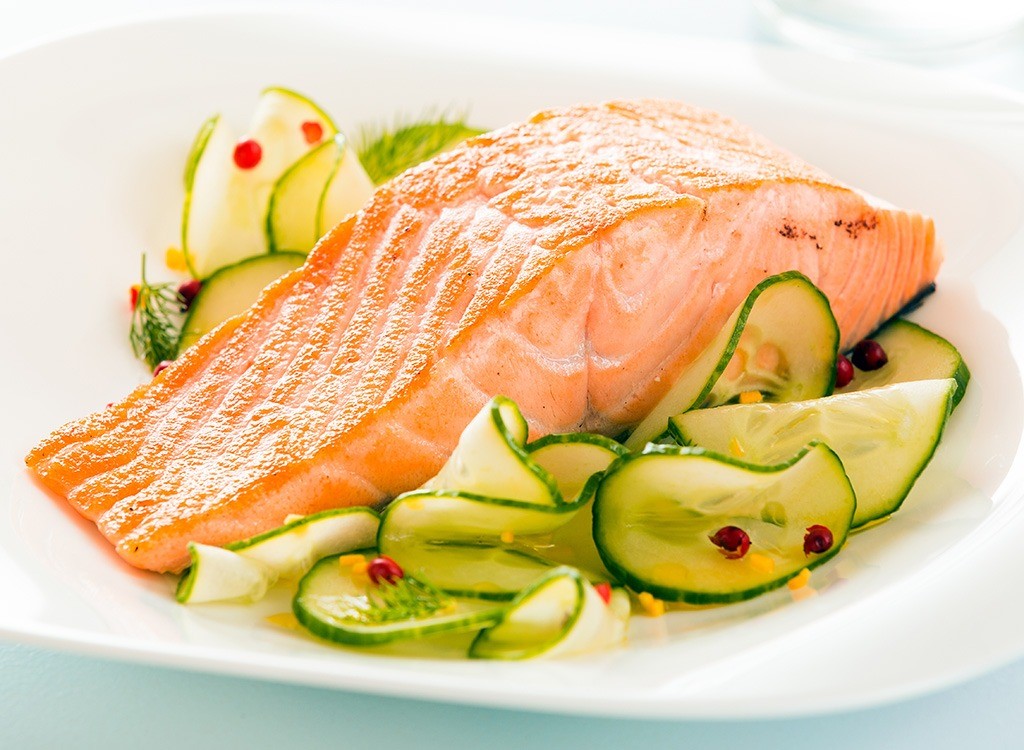
2 Pink Salmon
Pink Salmon
Nutrition (per 3 oz serving): 108 calories, 3.5 g fat (0.7 g saturated fat), 64 mg sodium, 0 g carbs, 0 g fiber, 0 g sugar, 17.4 g protein Protein (g per 3 oz): 17.4 Omega-3s (mg per 3 oz): 438 Mercury levels (parts per billion): 37
Pink salmon, also known as humpback salmon because of male’s distinctive humpback that occurs during their spawning phase, is native to the cold waters of the Pacific and Arctic Oceans. If eating muscle-building protein and heart-healthy omega-3 levels isn’t for you, you can also chow down on this fish’s roe, which is a common source for caviar.
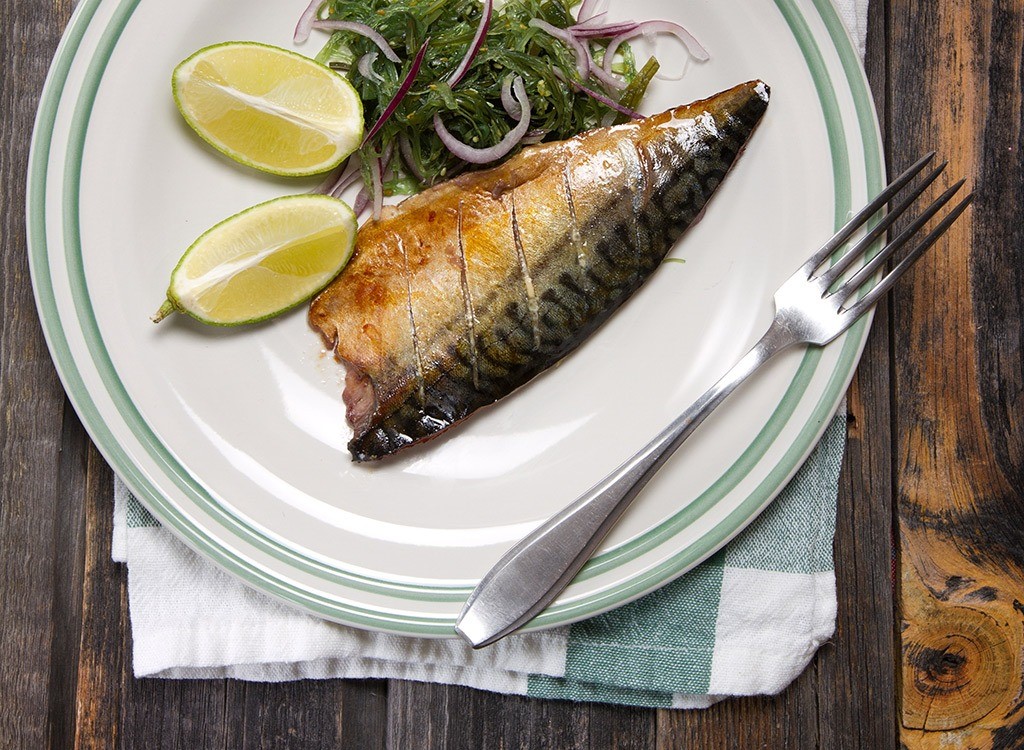
1 Atlantic Mackerel
Atlantic Mackerel
Nutrition (per 3 oz serving): 174 calories, 11.8 g fat (2.8 g saturated fat), 76 mg sodium, 0 g carbs, 0 g fiber, 0 g sugar, 15.8 g protein Protein (g per 3 oz): 15.8 Omega-3s (mg per 3 oz): 1,954 Mercury levels (parts per billion): 45
Listed on Seafood Watch’s “Super Green List,” this best fish to eat is a triple threat: it’s low in mercury, provides almost eight times the recommended omega-3 intake per day, and is classified as a Seafood Watch “Best Choice” in terms of sustainability. Just watch out for canned mackerel, which can have mercury levels up to 586 ppb.
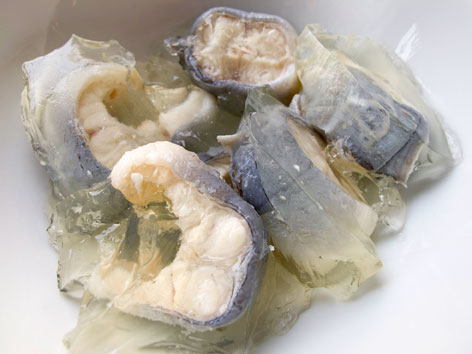
If tradition trumps flavor, you’ll want to head to the East End of London for a slimy delicacy that dates back to the 18th century. Though their popularity has diminished due to limited eel migration and the pretentiousness of younger generations (ugh, kids these days), jellied eels were once a primary food source for the city’s working class. In fact, they were about as English as pie and mash and all of the Queen Elizabeth’s.
A traditional dish consisting of chopped freshwater eels, boiled and cooled to form a jelly. Basically any vegan’s nightmare fully realized.
How are Jellied Eels Prepared?
The River Thames is teeming with thousands of the snake-like fish, which are caught either by line or basket (also known as an eel-buck). The eels are then butchered, chopped into pieces and boiled in water. Since the eel is gelatinous, it releases proteins like collagen, which naturally turn the liquid into jelly. And then voila! A jellied eel that gives grandma’s raspberry jam a run for its money.
What do Jellied Eels Taste Like?
“Great—mild and slightly salty, not at all fishy,” according to this guy. Those with texture aversions will surely think otherwise.
Street stalls, as well as pie and mash resturants in London’s East End.
How to Eat Jellied Eels
With a spoon. Toppings vary, but white pepper, herbs and malt vinegar are the most common options. We’re thinking they would pair well with some eel sauce, but we’re also sure that would be blasphemous to the preservation of British culture. And with Brexit on the horizon, we’re not taking any chances.
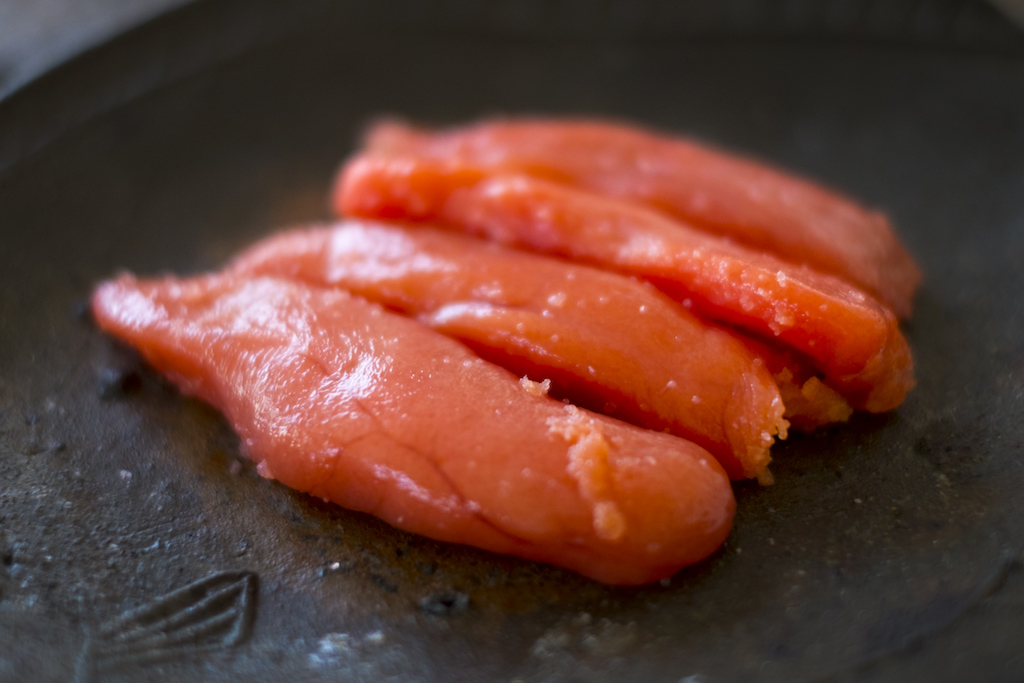
Cod roe refers to the ovary (roe) of cod. Generally it’s not the roe of Pacific cod, but Alaska pollock, and made by salting the ovaries. The main production areas in Japan are Hokkaido.
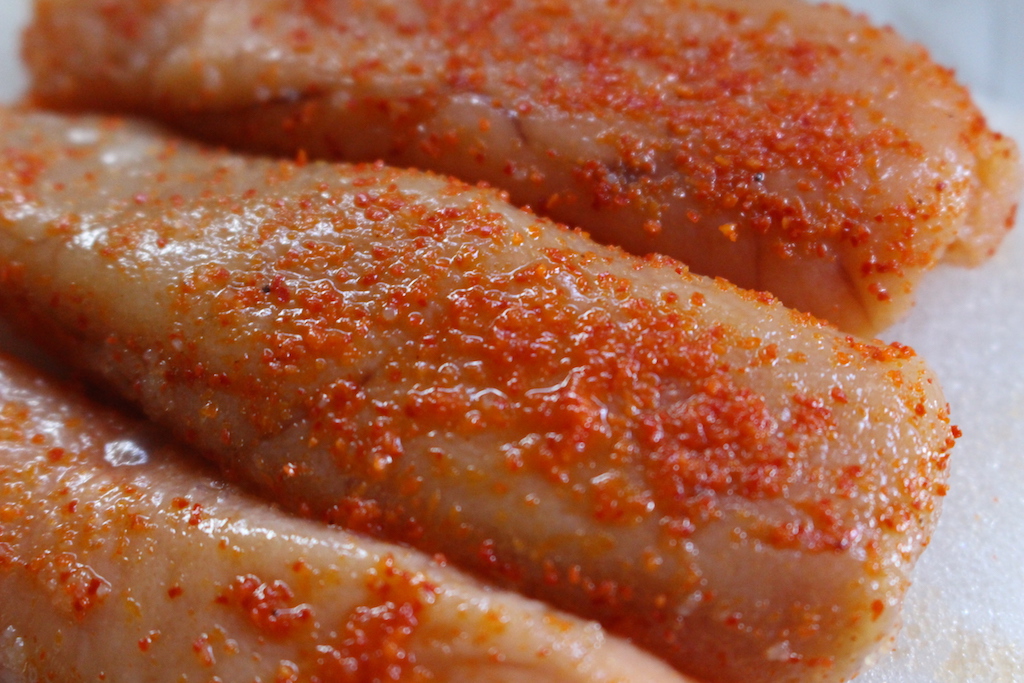
Cod roe marinated in a liquid containing salt, red peppers, and other seasonings. The similar product in Korea normally contains garlic in the liquid, but Japanese one doesn’t.
In Japan, spicy cod roe has been recognized as a specialty of Kyushu region, especially Fukuoka prefecture.
By the way, although spicy cod roe are produced mostly at processing plants in Fukuoka, Japan, the fish are often purchased from Alaska or Russia.
What Is Mentaiko in Japan?
In some parts of Western Japan, people call cod roe “明太子 Mentaiko“, and spicy cod roe “辛子明太子 Karashi Mentaiko“.
That’s because 明太 mentai was the term for a “Alaska pollock” in old Japan. And 子 ko is the term for “child” in Japanese. Karashi is the term for Japanese mustard by the way.
However, since spicy cod roe as a specialty of Fukuoka prefecture has become really popular nationally, “明太子 Mentaiko” is recognized as spicy cod roe in Japan lately.
What Does Cod Roe Taste Like?
It has distinctive smell of fish, but it’s not so strong because cod roe has been usually marinated in sauce contains salt, red peppers, or other seasonings. The unique taste of it is salty, so it matches so well with rice, pasta, or ingredients for various kinds of appetizer. Also, the texture of cod roe is the granular coarseness, and you can feel kind of like crispy feeling from it.
How Is Cod Roe Used?
Normally both of cod roe and spicy cod roe can be used in the same way. Those are typical dishes Japanese people usually make with cod roe or spicy cod roe.
Cod Roe Rice Ball (Onigiri)
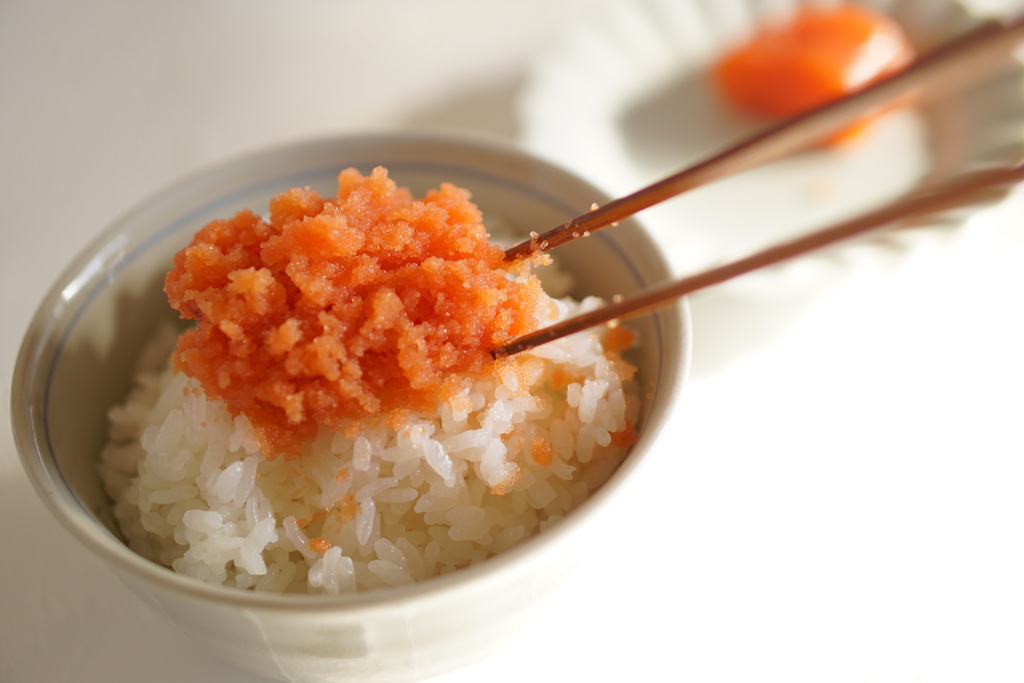
Putting a piece of cod roe in white rice ball. We also eat it with just a rice bowl too.
Cod Roe and Boiled Rice with Tea (Chazuke)
Chazuke (Ochazuke) is rice with tea poured on it. Usually we eat it with favorite ingredients such as pickled plum and salmon. And cod roe or spicy cod roe are one of the option too.
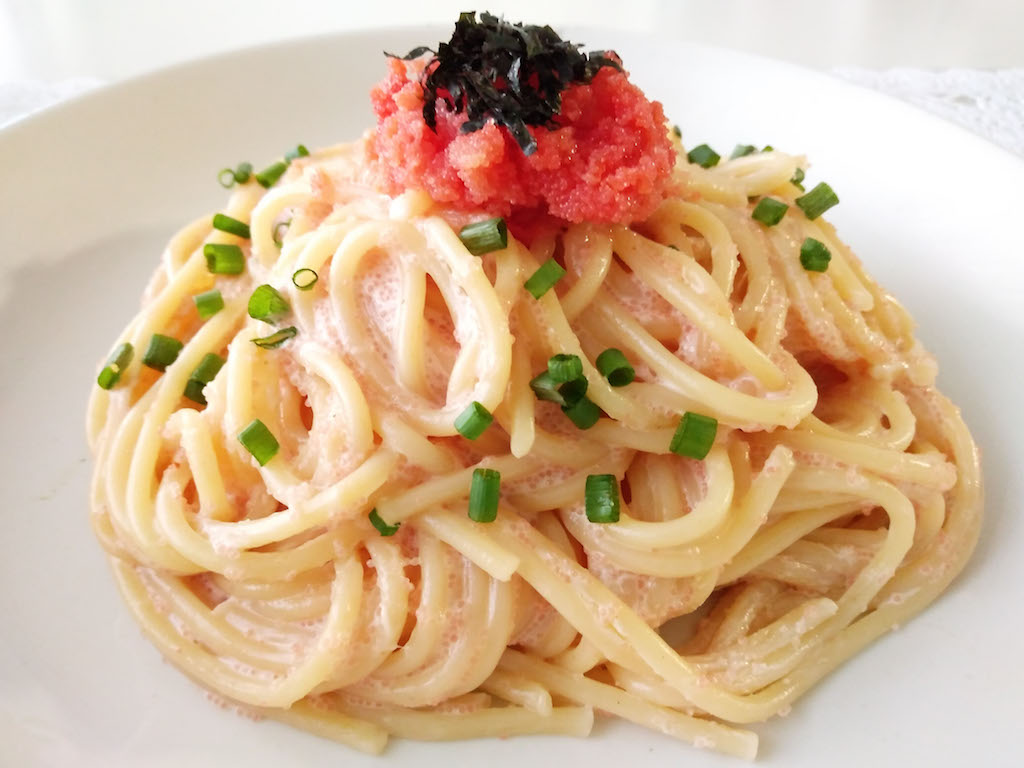
Pasta (Spaghetti) with Cod Roe
Using cod roe as main ingredient for pasta sauce is also very popular in Japan. People usually make the sauce with butter, heavy cream, or milk.
Baguette with Cod Roe
Bread or baguette topped with cod roe sauce. The sauce is usually made with butter and mayonnaise.
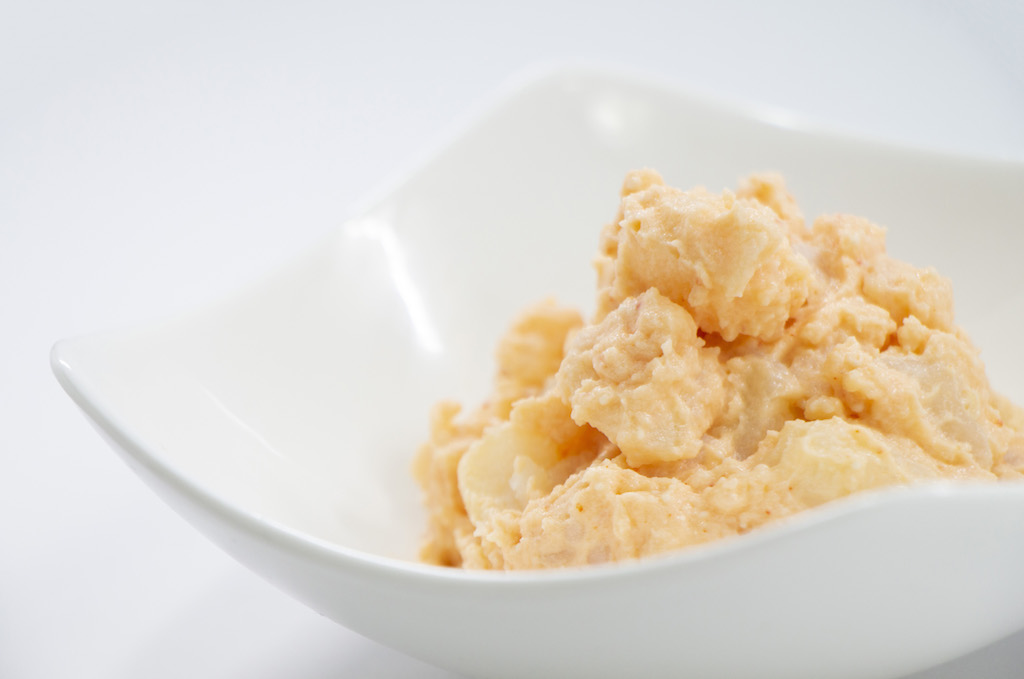
Potato Salad with Cod Roe
It’s often called Taramo-salad in Japan, and made by mixing cod roe, mashed potatoes, and mayonnaise.
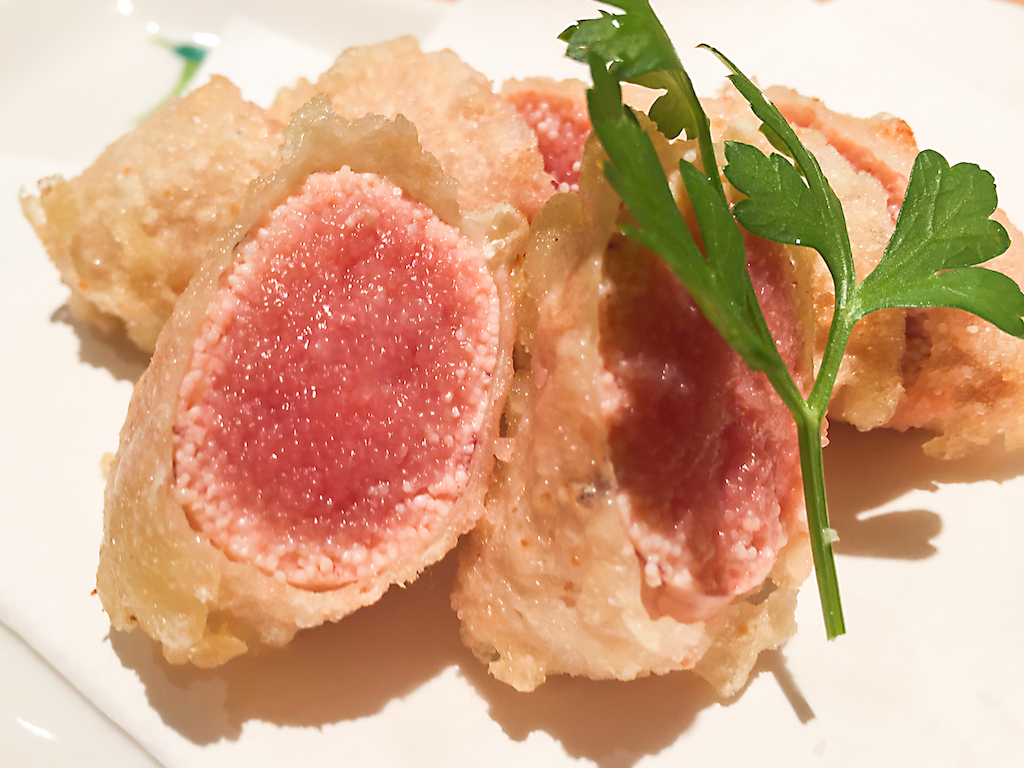
Tempura is seafood or vegetables that have been covered in batter and fried in oil. Cod roe can be the material for tempura too.
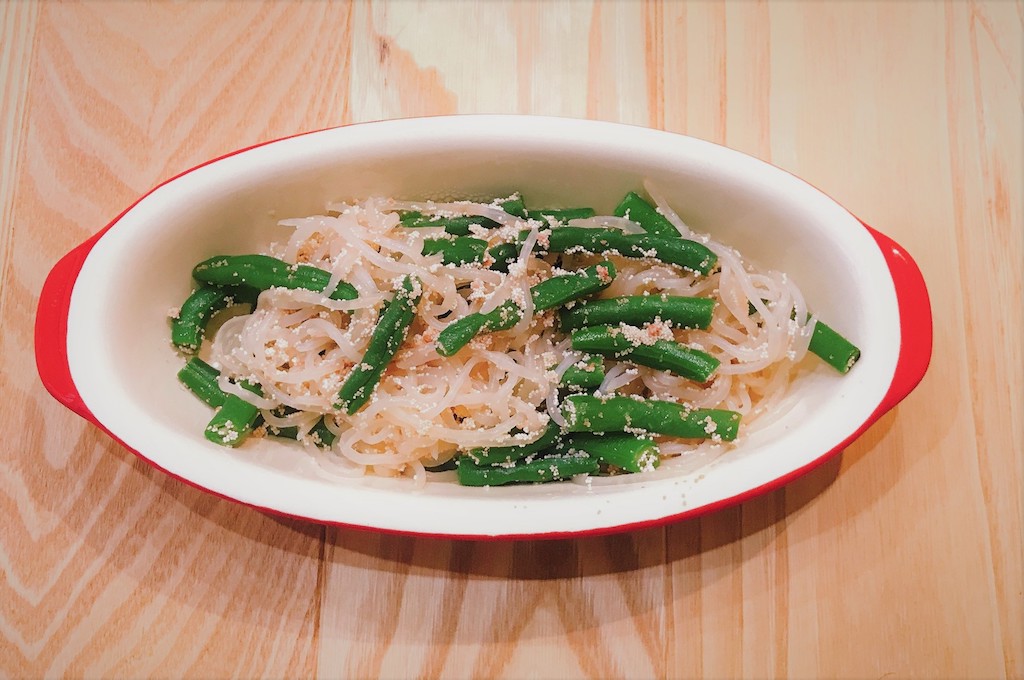
Shirataki (noodles made from konnyaku) with Cod Roe
It’s kind of like appetizer, and made by stir-frying shirataki noodles and mixing it with cod roe, soy sauce, and sake. Putting green beans or other vegetables together is a option.
Nutrition of Cod Roe (Raw)
Below you will find the nutrition information for a 3.5 oz (100g) of cod roe:
Cod roe contains nutrients abundantly, for example, vitamin E, taurine, and protein. It is said that vitamin E could promotes hormone secretion and metabolism, and is effective for PMS.
Taurine, one kind of amino acid could reduce bad cholesterol and increase good cholesterol, therefore you could expect preventing lifestyle-related diseases such as arteriosclerosis and effect that strengthens liver function.
Can You Eat Cod Roe Raw?
Yes, you can eat cod roe raw. It’s totally fine as long as your cod roe (spicy cod roe) is fresh. Eating both cod roe and spicy cod roe raw are very common in Japan. On the other hand, some people prefer to bake the surface of them slightly and eat. Personally speaking, I like to eat them raw because I can feel taste, flavor, and texture better in that way. However, it’s said that pregnant women need to avoid raw cod roe due to food poisoning just in case. So pregnant women should cook them completely before eating.
United Kingdom, Jun 9th 2021: Bradley’s Fish is an exclusive supplier of fish and seafood in the entire geographical area of the United Kingdom delivering top quality frozen seafood with 100% trust. We provide professional and efficient service while fulfilling the needed high standards by sourcing the best seafood available and delivering quality sea produce on a continuous basis. We provide high-quality items to all our clients & customers.
We, Bradley’s Fish are always looking for new ways to improve our services and delight our
customers. We would like to express our gratitude for your commitment and support. We appreciate you, regardless of how long you’ve been a part of the Bradley’s Fish family!
We are devoted to giving you the best in quality fish and seafood. Rarely do we have the opportunity to inform our customers of such good news and therefore we are pleased to inform you that we are reducing our delivery prices as shown below.
Order Payment
Delivery Charges
£0.00 – £35.00
£9.95
£35.00 -£60.00
£4.95
Over £60
Free Delivery
Order Payment (Saturday)
Delivery Charges
£0.00 – £35.00
£9.99
Over £35.00
£6.99 with no free delivery
Why Choose Bradley’s Fish
High-quality & authenticated seafood products
Quality, hygiene and packaging
Freshness guaranteed with optimal taste
Seafood is delivered straight from the source
Best industry rates offered
100% frozen seafood available
We believe that reduction in the delivery price not only gives you a great value, it also reflects our commitment to customer satisfaction.
Bradley’s Fish is dedicated to providing the best fish along with unparalleled service. Our goal is to consistently please our consumers by providing them with freshness, quality, hygiene, and packaging, as well as prompt delivery and customer care.
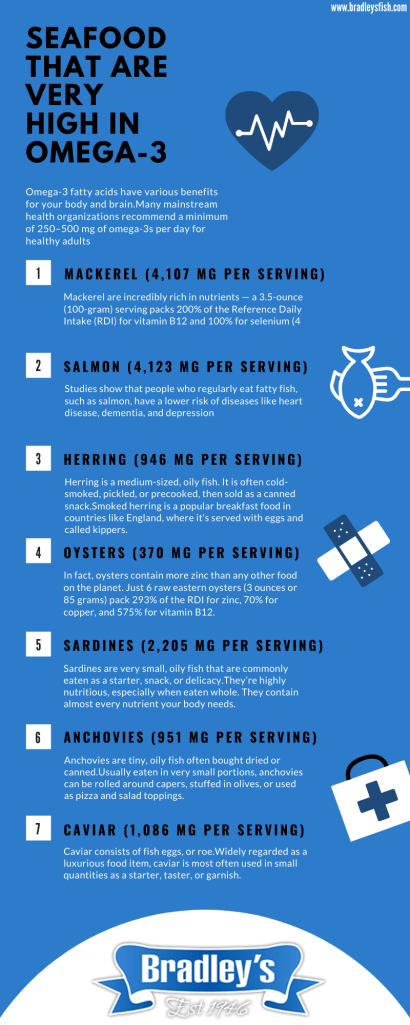
Omega-3 fatty acids have various benefits for your body and brain.Many mainstream health organizations recommend a minimum of 250–500 mg of omega-3s per day for healthy adults.
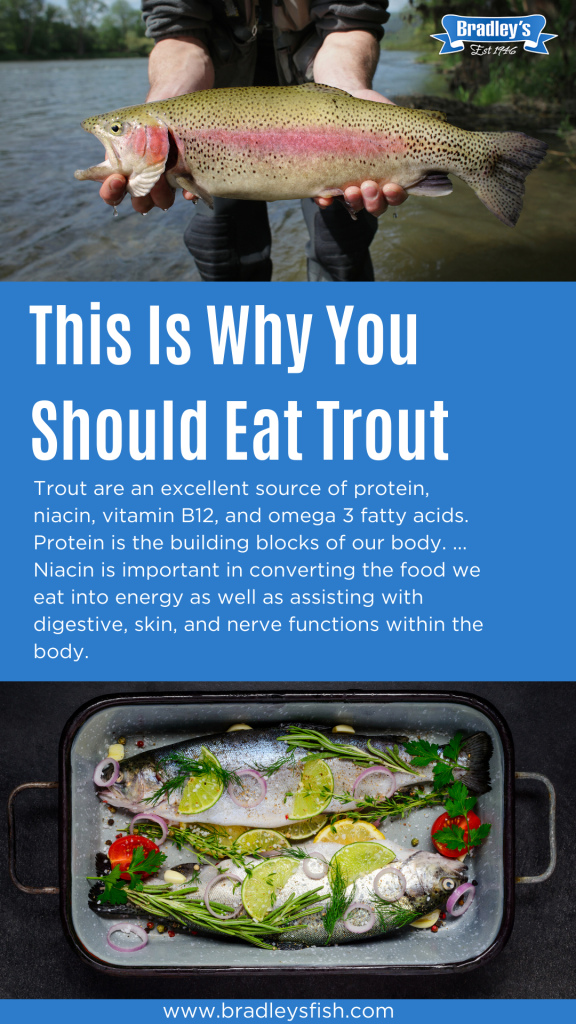
Trout are an excellent source of protein, niacin, vitamin B12, and omega 3 fatty acids. Prot
This is why you should eat trout Trout are an excellent source of protein, niacin, vitamin B12, and omega 3 fatty acids. Protein is the building blocks of our body. … Niacin is important in converting the food we eat into energy as well as assisting with digestive, skin, and nerve functions within the body. This is Seafood Infographic are as per scientist research.

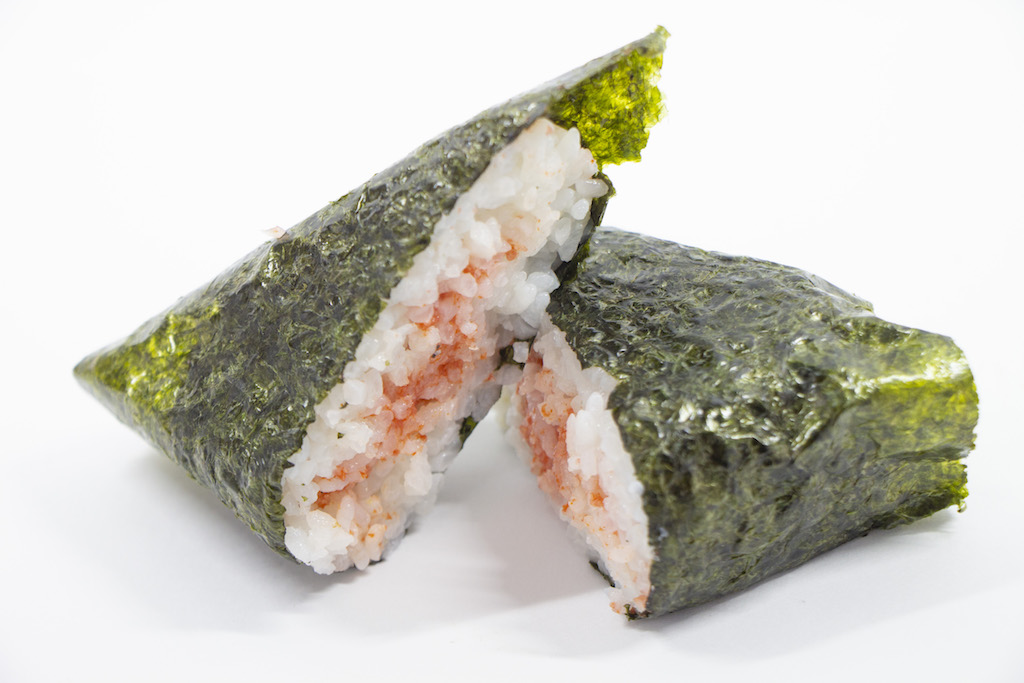
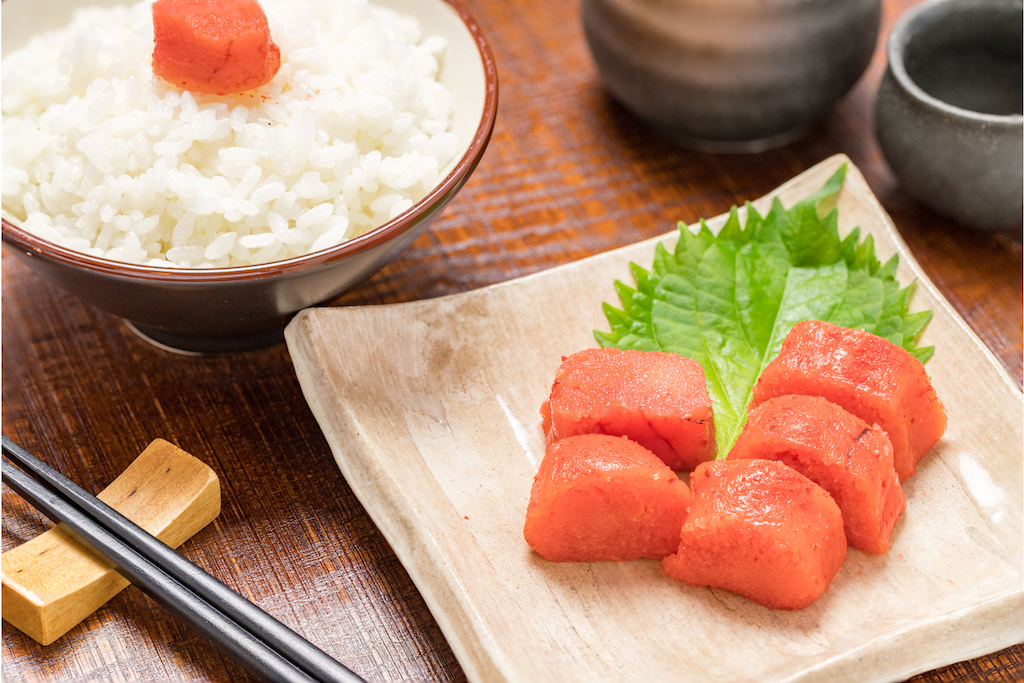 Putting a piece of cod roe in white rice ball. We also eat it with just a rice bowl too.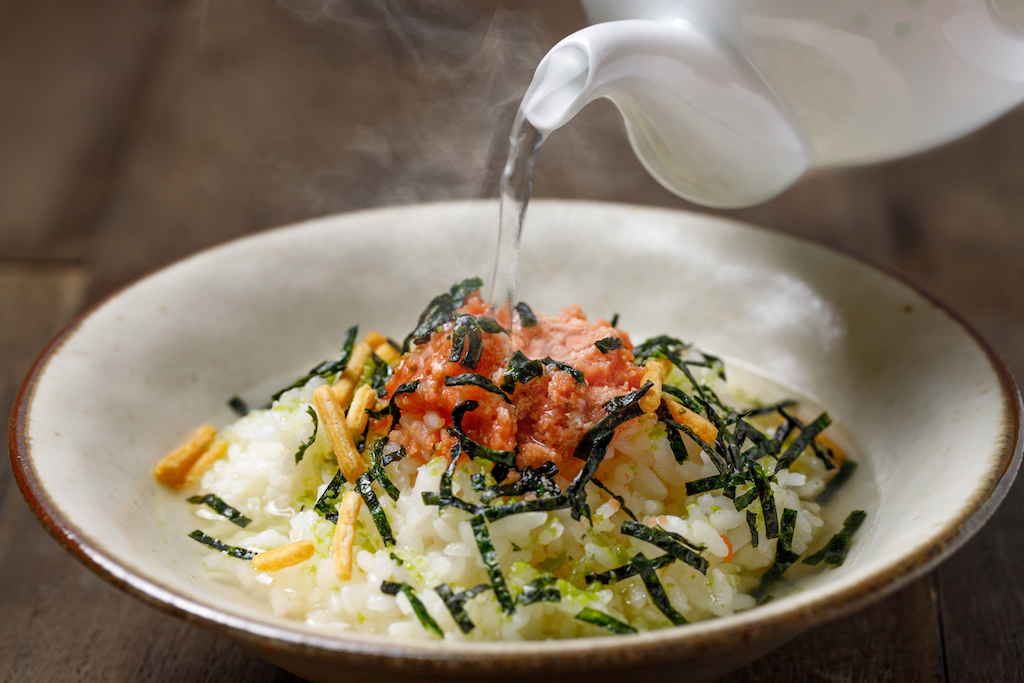


 Bradley's Fish